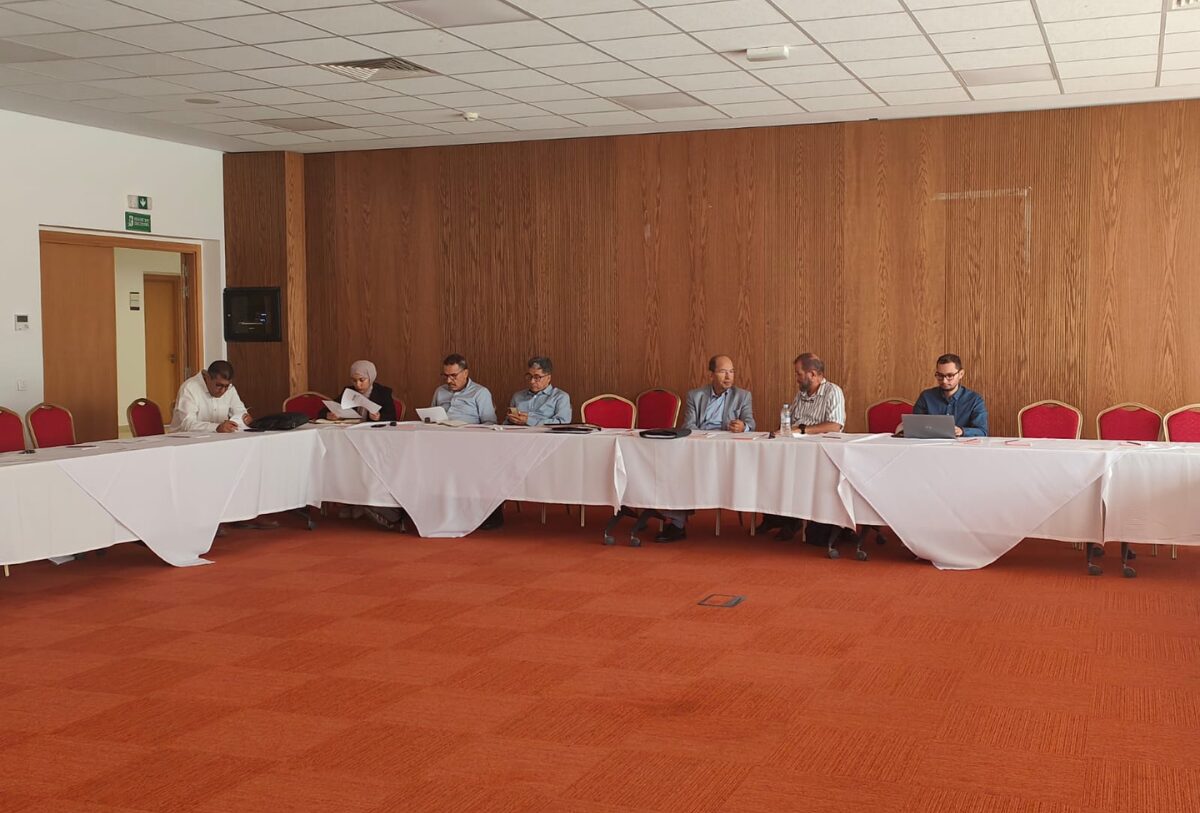
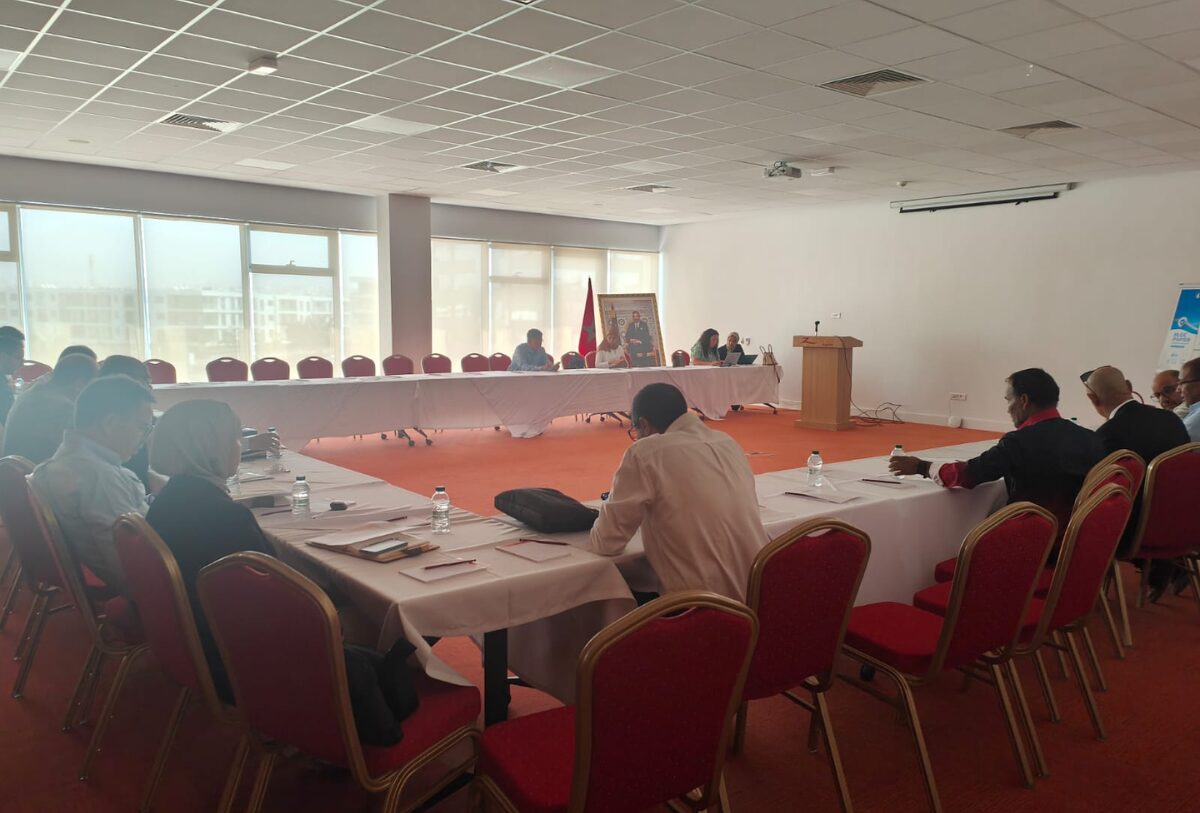
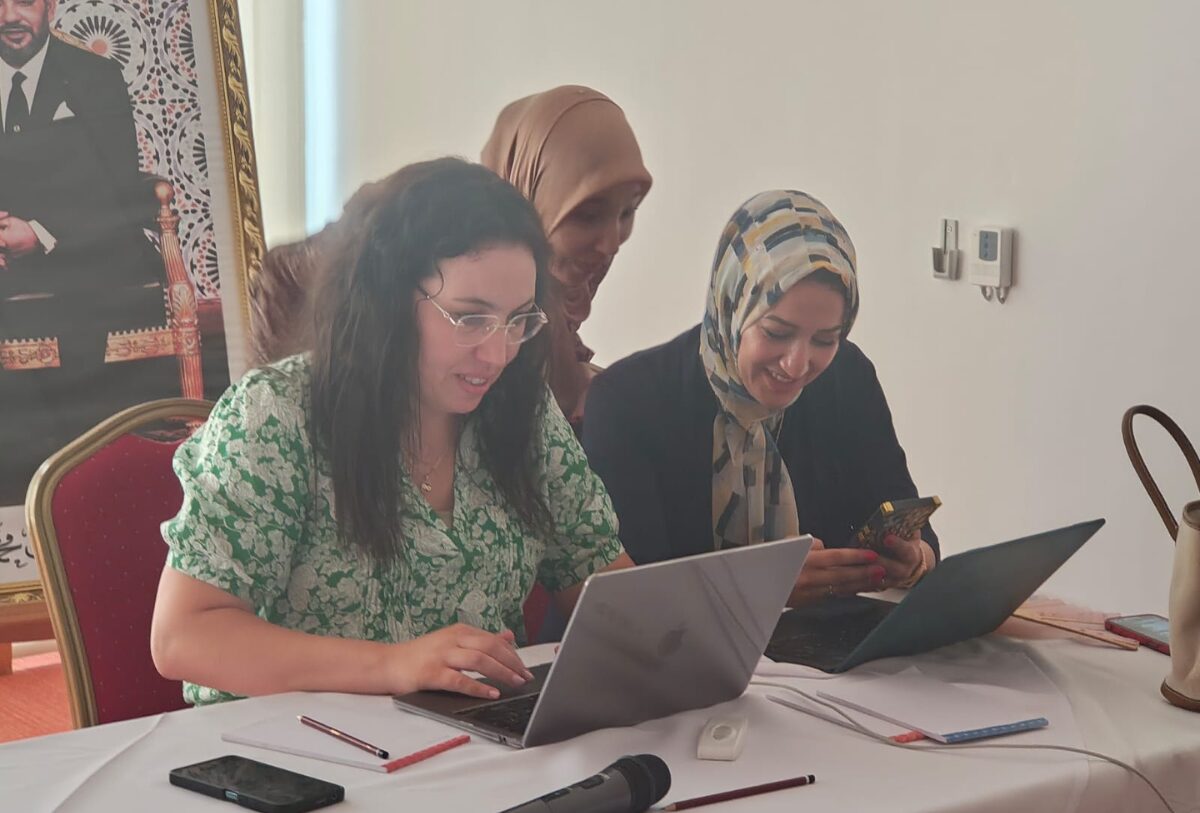
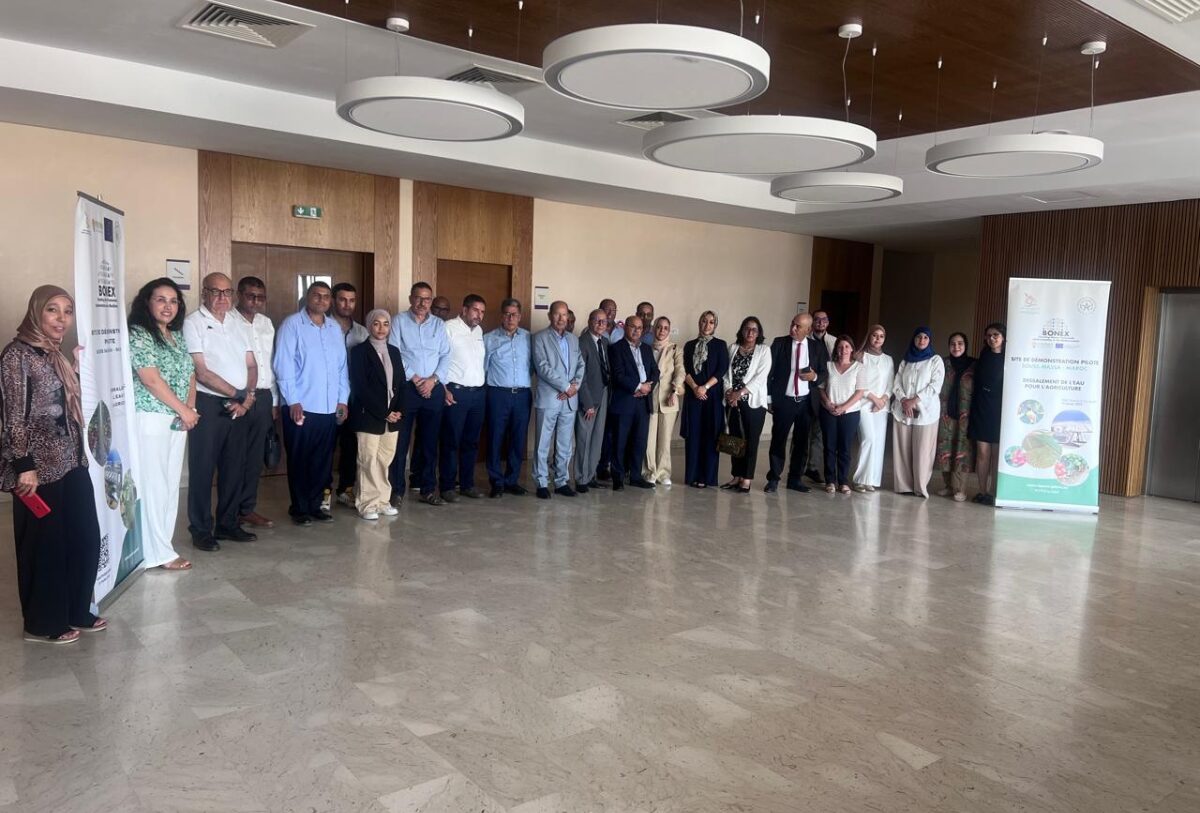
The 4th Moroccan workshop of the BONEX project was held on July 3, 2025, at the Zephyr Hotel in Agadir. This event brought together experts as well as regional and national stakeholders, providing a unique opportunity to review the project’s results, share acquired knowledge, and engage in collective reflection on the prospects of using desalinated water in agriculture.
The day began at 9:00 a.m. with the registration of participants, followed by welcome remarks from representatives of IAV Hassan II and ORMVA Souss-Massa, who praised the quality of institutional collaboration established through the project. An introductory session then highlighted the objectives of the BONEX project, gave an overview of the desalination perimeter, and shed light on future expansion opportunities.
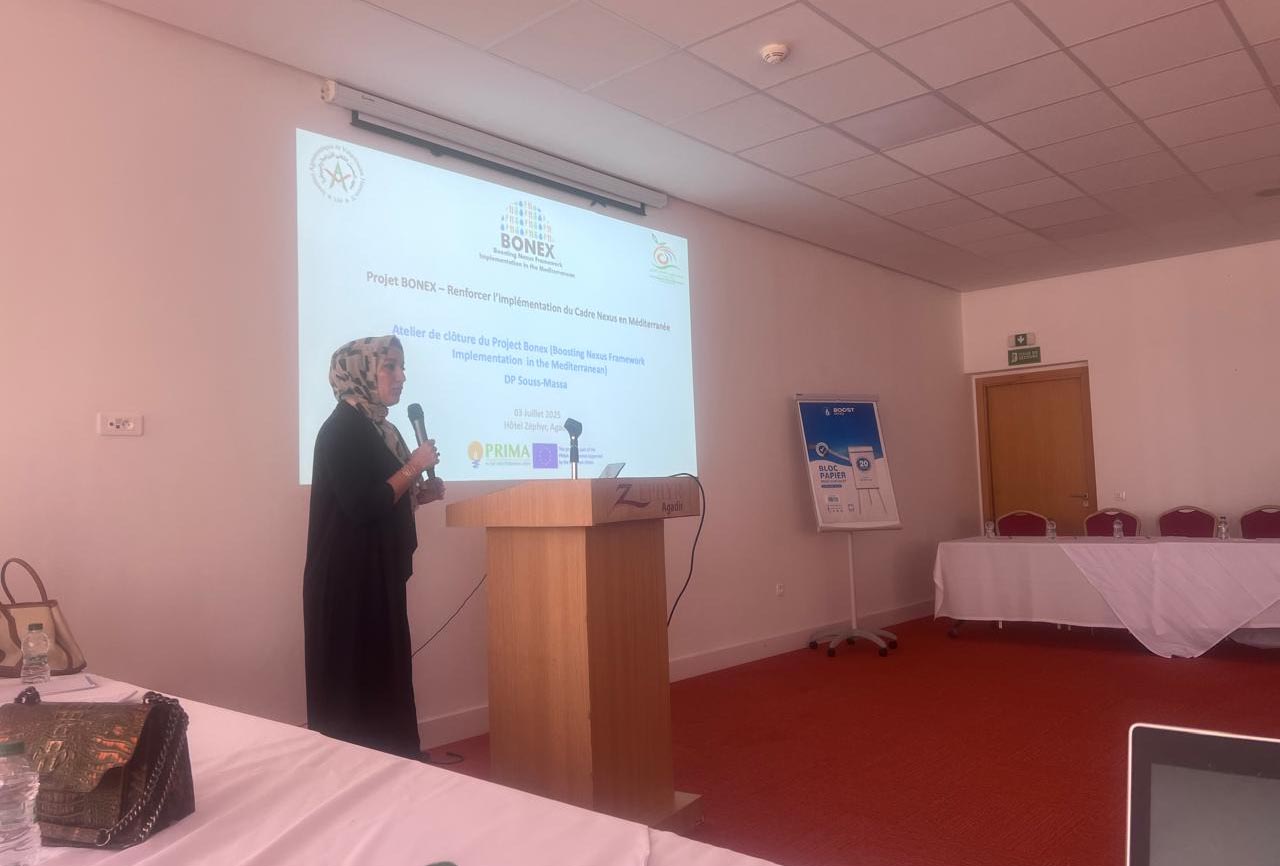
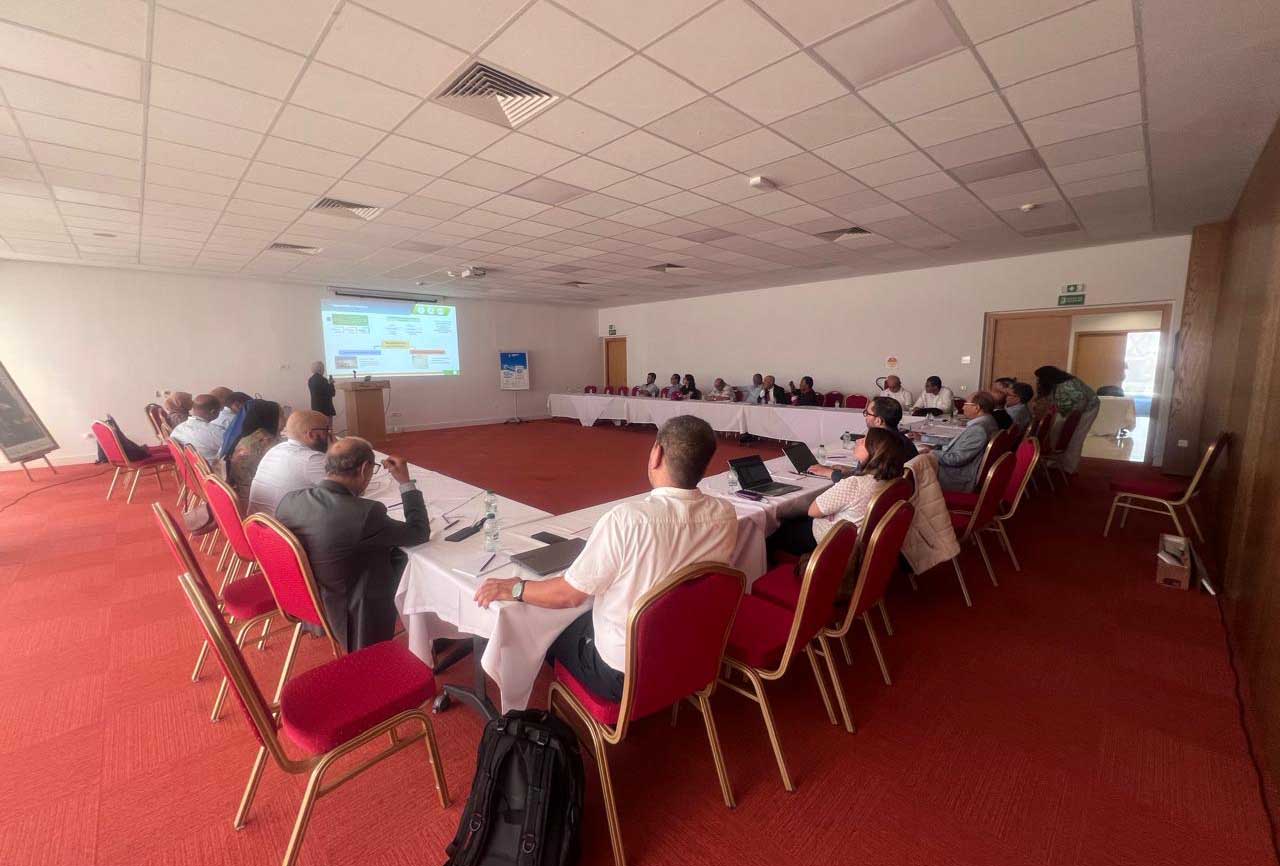
The morning featured several key moments, including:
- Asummary of the three previous workshops,
- The presentation of the Nexus BONEX Implementation Plan (NBP),
- And three scientific contributions.
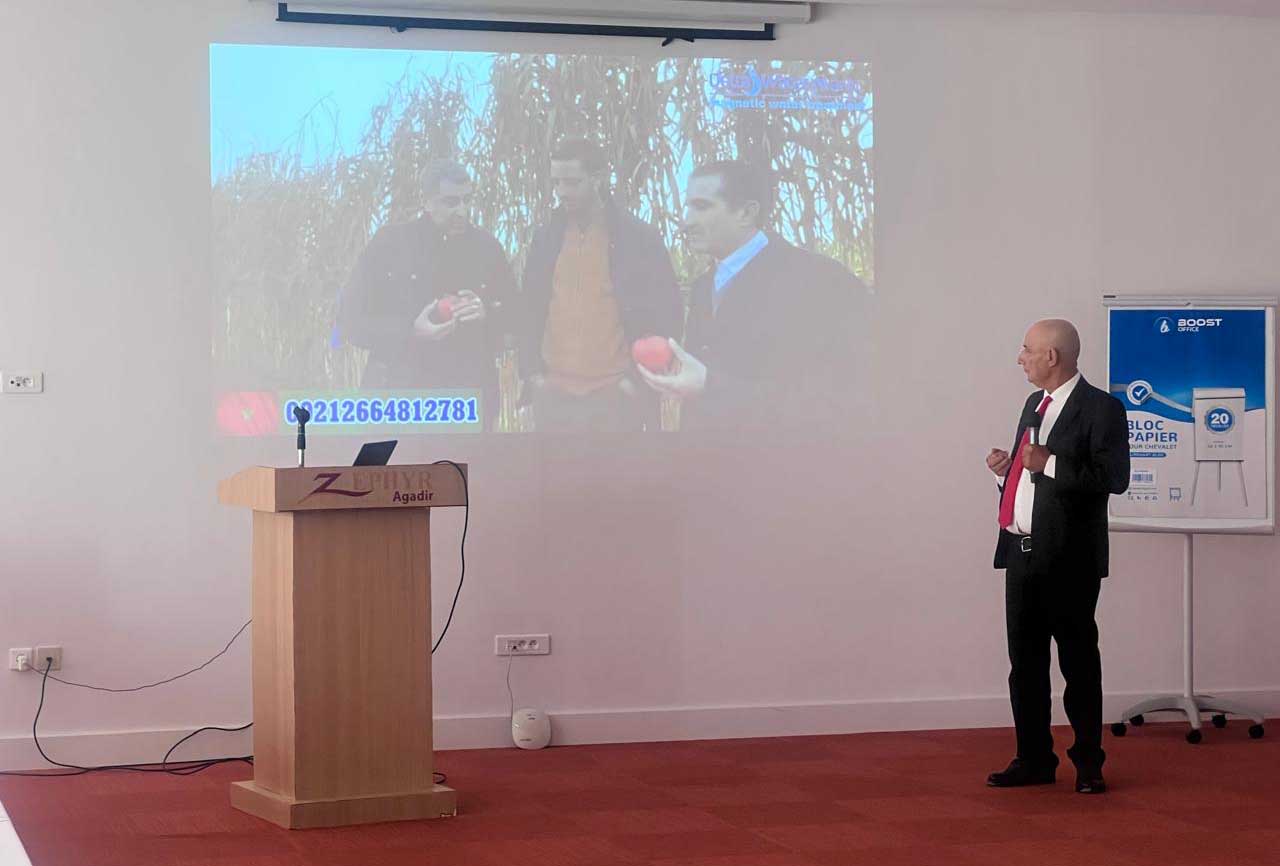
Ibn Zohr University presented a comparative study on materials used in the electrocoagulation process for saline water treatment, followed by a presentation on bio-based materials for food packaging as a sustainable solution within the WEFe Nexus. Finally, Delta Water introduced the properties of magnetic devices applied to water treatment. These presentations showcased technological advancements and promising research avenues aimed at improving irrigation water quality.
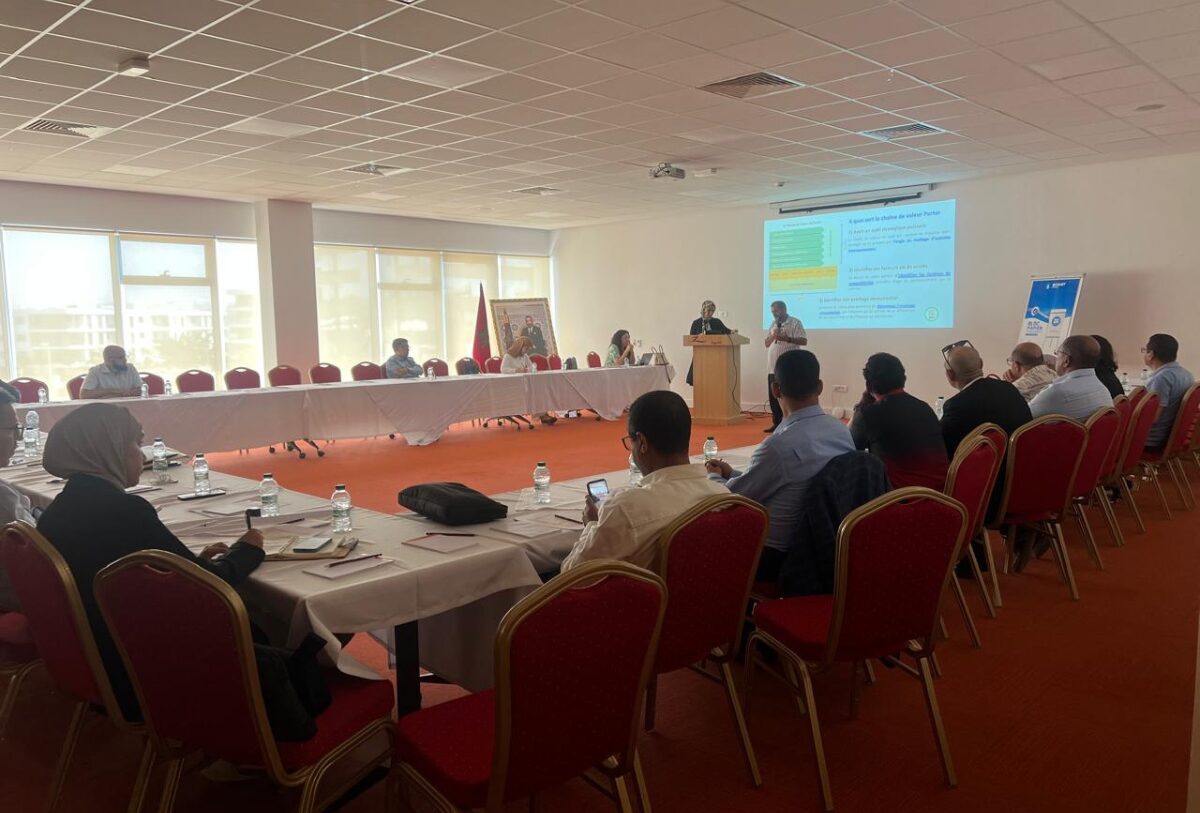
After the coffee break, APEFEL led a session focused on value chain analysis as a decision-support tool. This was followed by an open discussion moderated by Professor Khadija Khouya. The discussions revealed strong interest in the topics covered, particularly in complementary innovations such as the application of magnetism in irrigation water treatment. This technology sparked enthusiasm due to its potential to enhance the physico-chemical structure of water, improve nutrient absorption by plants, and mitigate the harmful effects of soil salinity. Several participants emphasized the importance of conducting pilot trials to assess its effectiveness under the region’s specific agro-climatic conditions.
The afternoon was dedicated to a special session presenting a practical guide, along with a mobile application, developed by BONEX project members. These two tools, titled “Study of the Effect of Irrigation Water Composition on the Requirements of Market Gardening Crops in the Souss-Massa Region,” form a foundational analysis and focus on three main components :
- An overview of the Souss-Massa region,
- A characterization of the market gardening sector,
- An assessment of water resources and crop needs, and optimal water management strategies, particularly regarding the use of desalinated water.
By integrating these elements, the tools are designed to support farmers and agricultural stakeholders in adopting sustainable water and nutrient management practices, thereby contributing to the long-term viability of agriculture in the region.
The workshop concluded in a friendly atmosphere, allowing participants to network and strengthen partnerships in support of more resilient and resource-conscious agriculture.