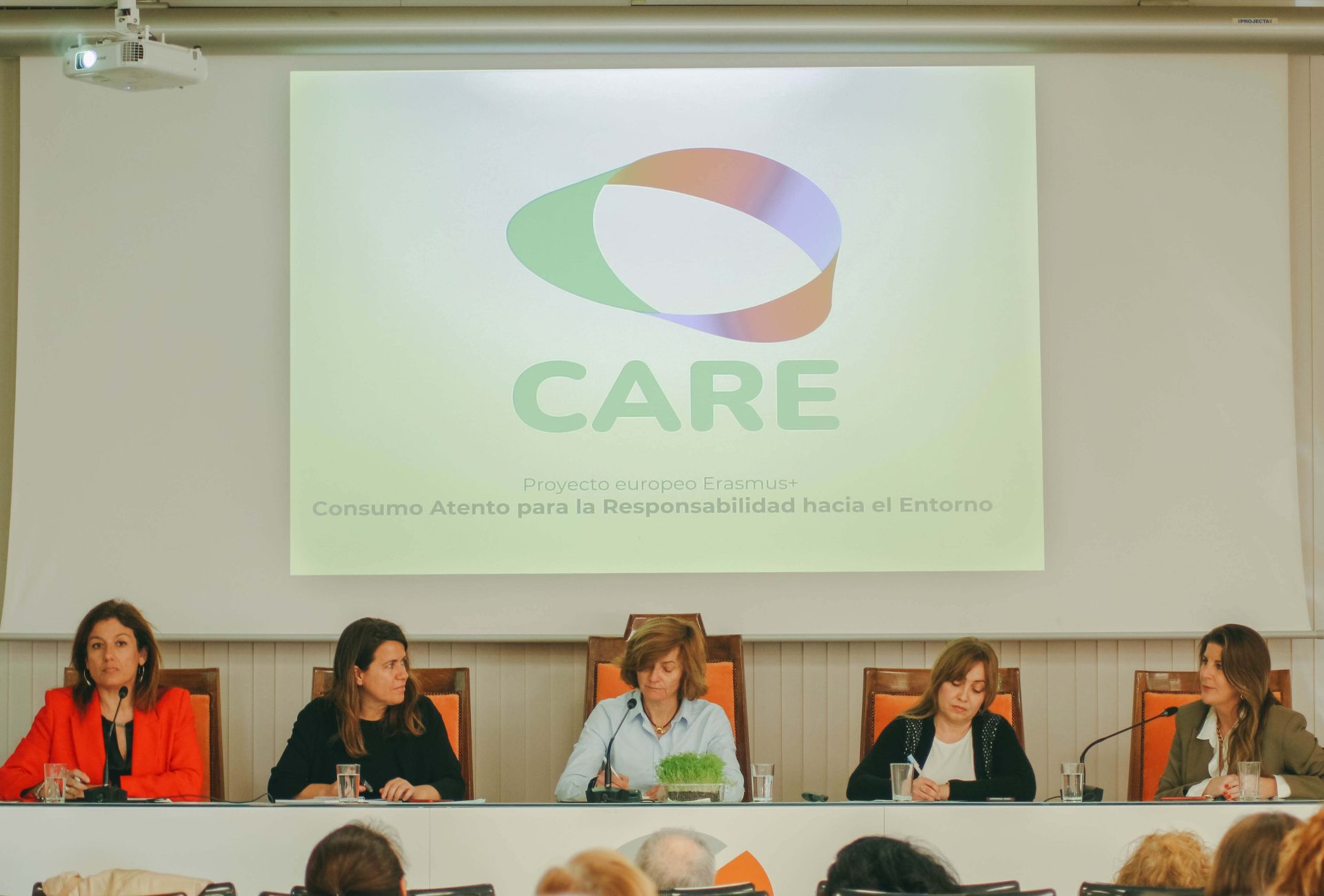
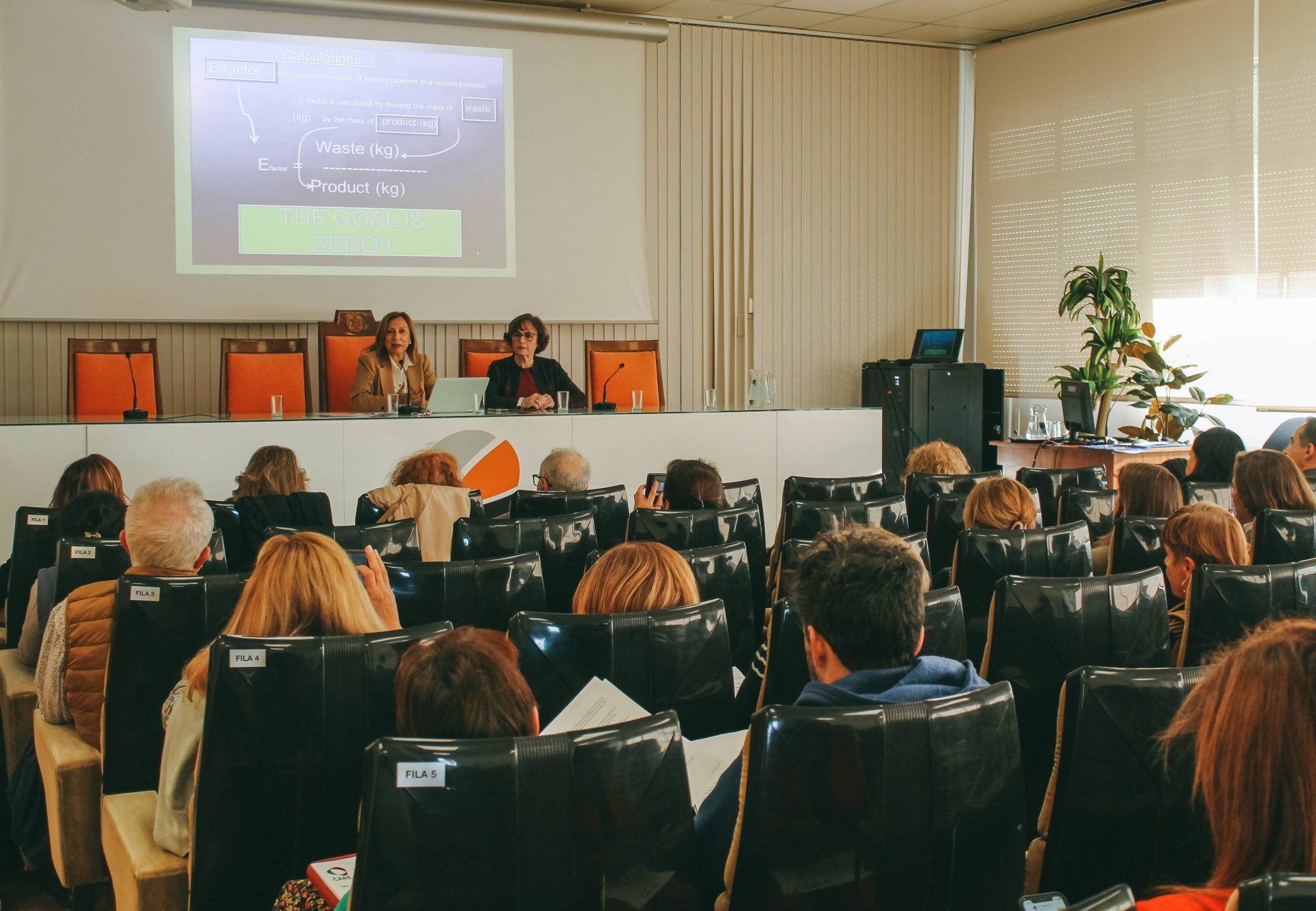
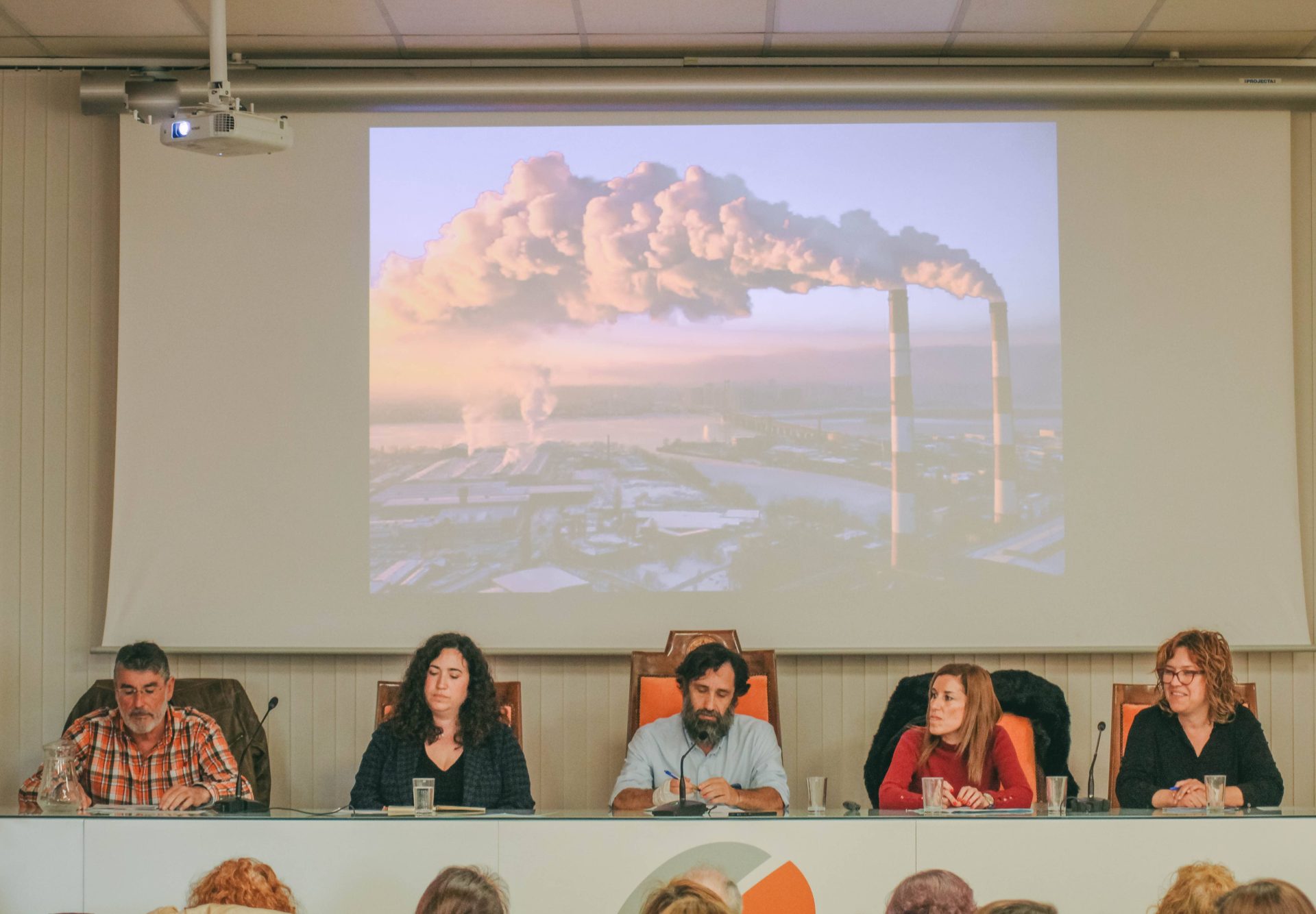
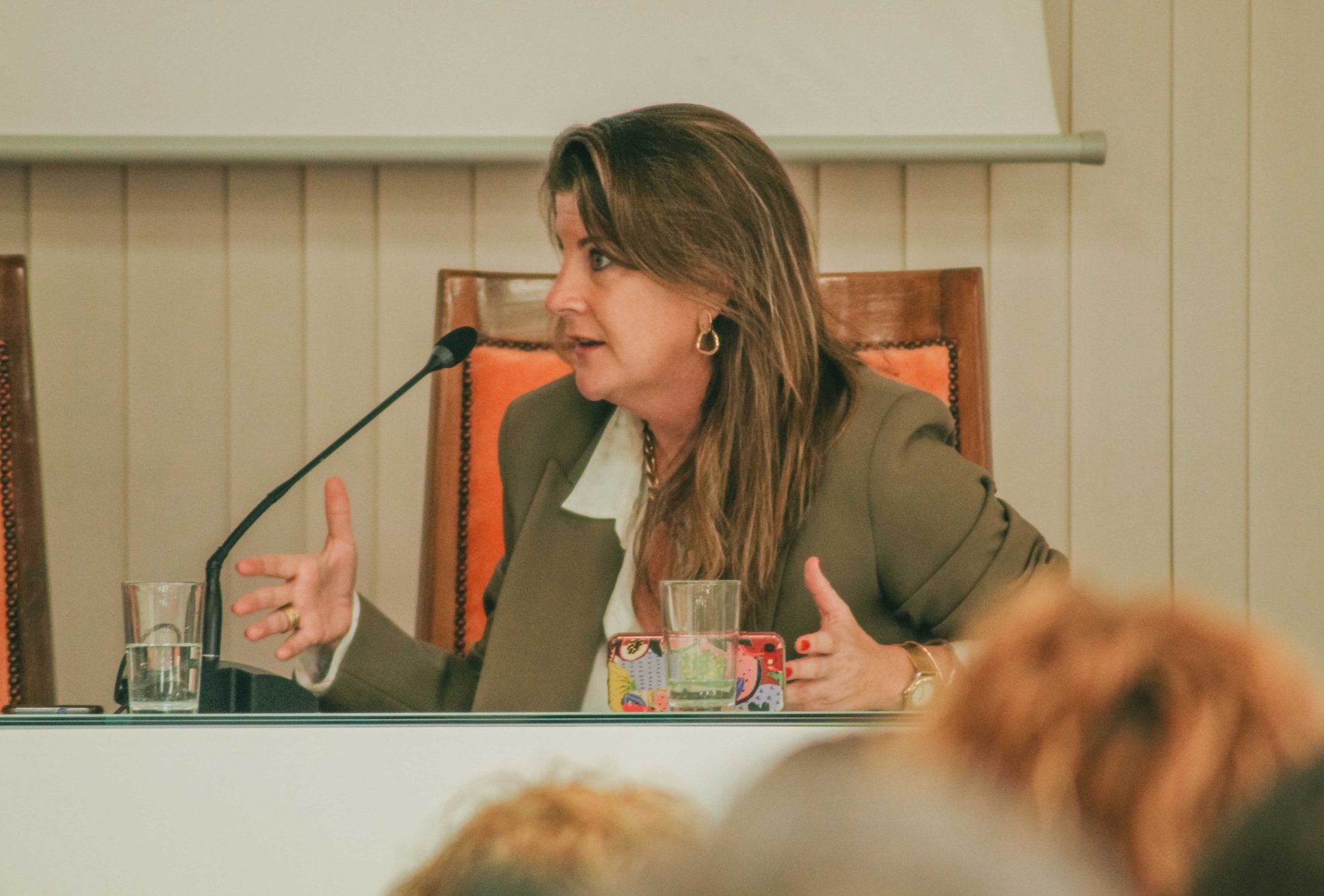
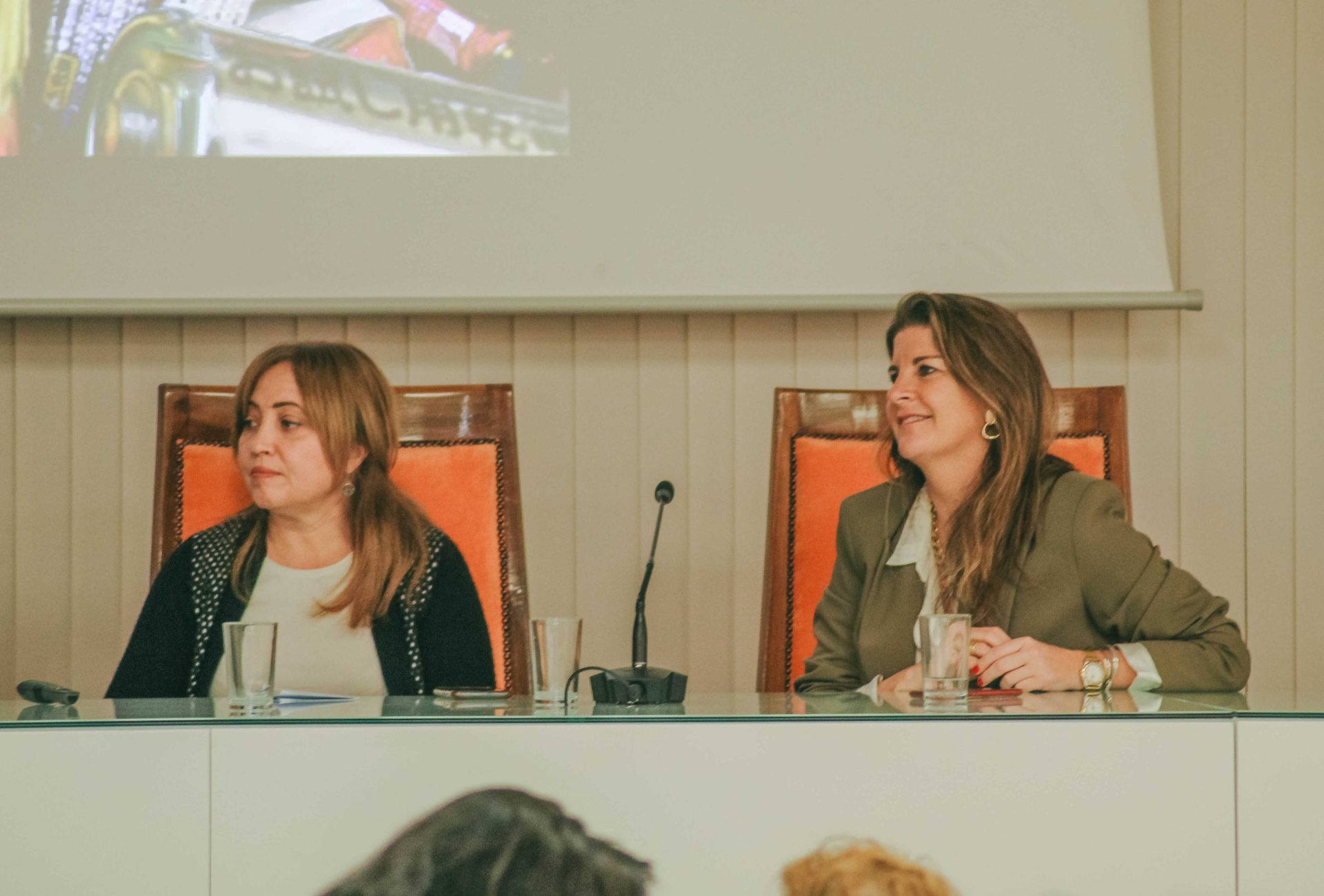
Representing BIOAZUL, Ángela Magno participated in a workshop organized by the Erasmus+ CARE project titled “Hacia un consumo más responsable” (Towards More Responsible Consumption) on February 21st. The event, held at the Faculty of Economics and Business Sciences at the University of Malaga, showcased the outcomes of the CARE project over the past two years and fostered discussions on fostering sustainable and responsible consumption practices.
Within the workshop, the results of the project were presented: a training platform with 40 didactic modules on responsible consumption, in 4 languages (Portuguese, English, Italian, and Spanish), a research section that hosts documents, reports, and articles on the project’s theme and conducts a consumer survey to understand their motivations and barriers to consuming more consciously, and a space for responsible business that invites presenting entrepreneurial ideas based on sustainability, to help their implementation. Furthermore, the workshop jointed experts and professionals from various fields deliberated on strategies for making conscientious consumption decisions that contribute to a more sustainable and equitable planet. The agenda included presentations and roundtable discussions focusing on different dimensions of responsible consumption.
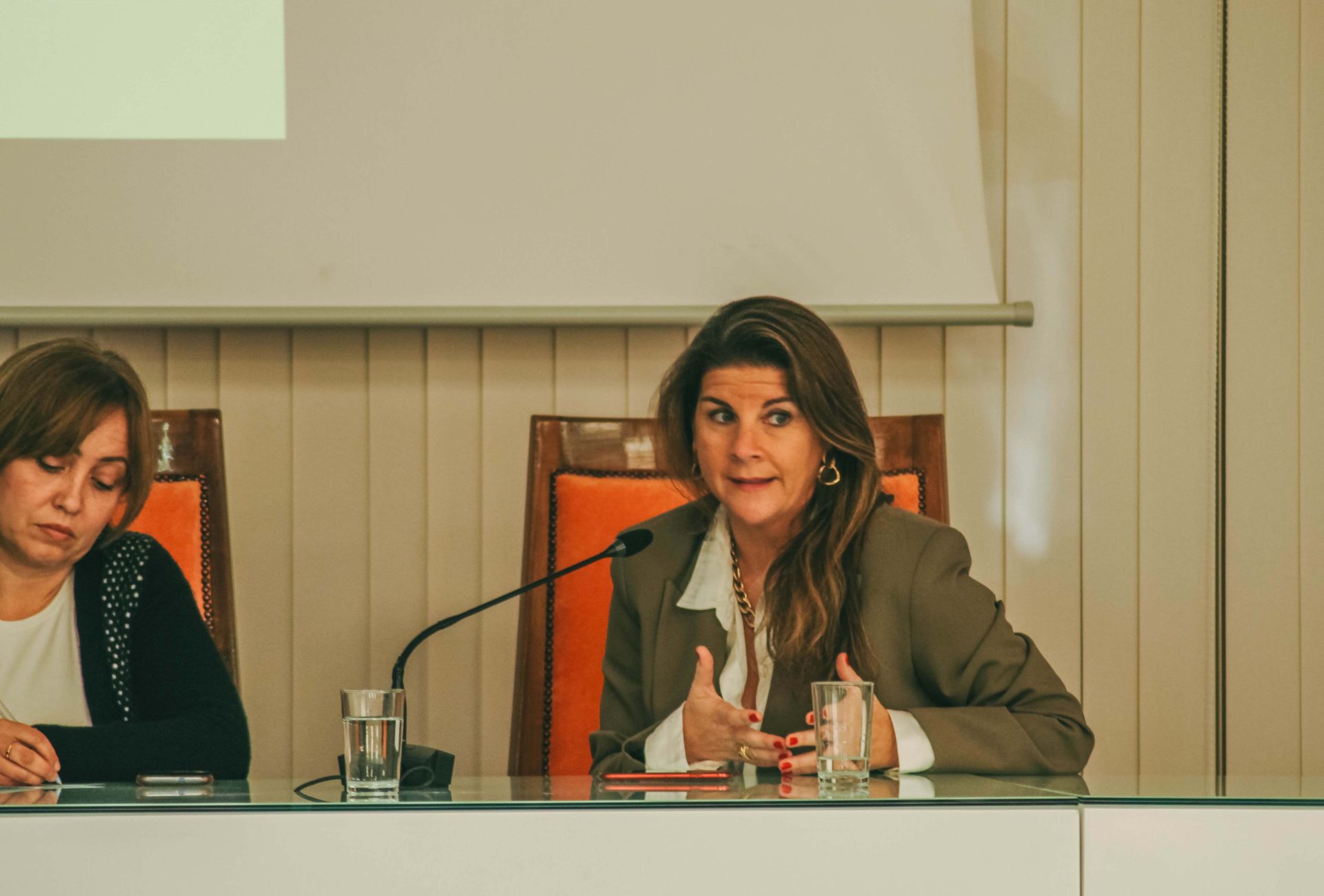
During the round table discussion titled “Dimensions of Responsible Consumption,” representatives from various thematic areas, including WATER represented by BIOAZUL, came together to address the complexities of promoting responsible consumption across different sectors. Throughout the discussion, the participants emphasized the urgent need for sustainable practices and highlighted the challenges specific to their respective fields, such as water scarcity, transportation emissions, sustainable agriculture, and industrial impacts on the environment. In representing BIOAZUL, the focus was on sustainable water management, highlighting the critical role of efficient water usage and innovative solutions in addressing water-related sustainability challenges. By showcasing the BONEX project’s approach to the Water-Energy-Food-Ecosystem (WEFE) nexus, participants demonstrated how collaborative efforts, such as stakeholder engagement and innovative technologies, can contribute to promoting responsible consumption and sustainable resource management. Overall, the round table underscored the importance of interdisciplinary collaboration and holistic strategies in advancing responsible consumption practices, aligning closely with the objectives of the BONEX project to address water-related sustainability issues through innovative solutions and stakeholder engagement.
Erasmus+ CARE
The Erasmus+ CARE project, designed and led by the University of Malaga, consists of a consortium of seven partners from four European countries: the University of Aveiro (Portugal), the CPIA Adult Education Center of Lecce (Italy), the Institut de Haute Formation aux Politiques Communautaires IHF of Brussels, IDP European Consultants, Italy, as well as the Spanish companies Internet Web Solutions and RSC Talent 2016.
The purpose of CARE was to contribute to the health of the planet and, consequently, of communities and people, promoting more sober, traditional, and healthy lifestyles that preserve natural resources and diversity, and promote fairer and more equal working conditions. This objective is in line with the policies adopted by the European Commission and with the UN Sustainable Development Goals, which strive for circular economy, environmental protection, and the creation of fairer and more inclusive societies.
The CARE Project, coordinated by UMA professor Ana María Castillo Clavero, has provided training to more than 3,000 people over these years, who have shown high satisfaction with the content and didactic methodology, but above all, they have expressed an increase in their awareness level regarding their role as consumers and their willingness to change their purchasing habits. Through the project, twenty business idea initiatives are being evaluated and validated, which are expected to become sustainable companies.