
The BONEX project, focused on promoting sustainable solutions within the Water-Energy-Food-Ecosystem (WEFE) Nexus in the Mediterranean, places gender equality at the core of its design and implementation. Across its Demonstration Pilots (DPs), BONEX has actively integrated gender strategies to ensure inclusive participation, equitable benefits, and the recognition of women as key actors in innovation, sustainability, and rural development. Here’s how the gender dimension was addressed in each pilot:
Italy: Gradual Inclusion Through Stakeholder Engagement
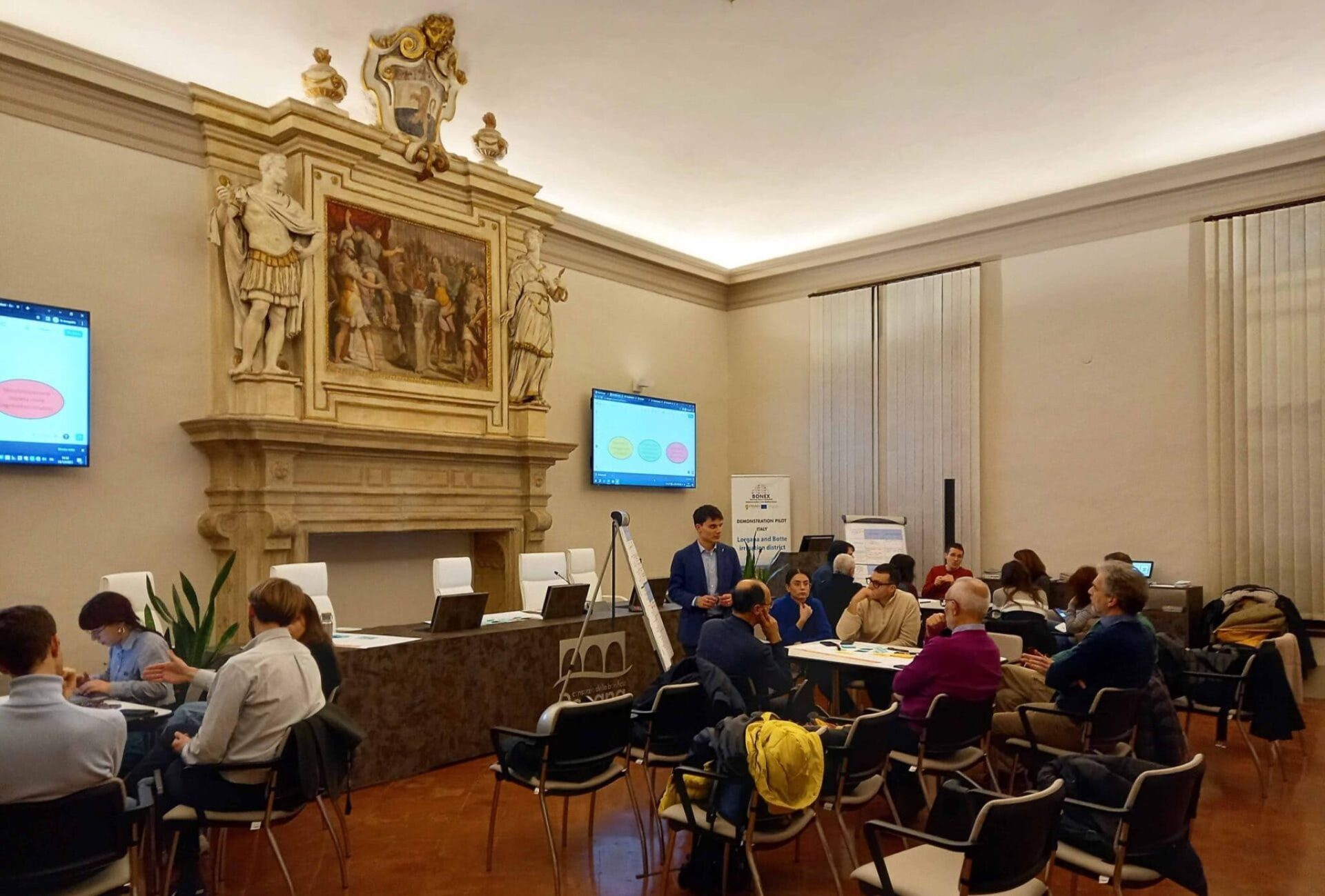
In the Italian pilot, gender considerations were initially reflected in stakeholder engagement. Invitations to project workshops were typically sent to institutions, who chose their representatives—often resulting in low female participation. To address this, the team implemented a targeted strategy to individually identify and invite female stakeholders. Additionally, the partner CBR initiated an internal process to develop a Gender Equality Plan, aligning with Horizon Europe requirements, while UNIBO applied its existing gender policy to the project framework.
Jordan: Empowering Women in Tech-Based Agriculture
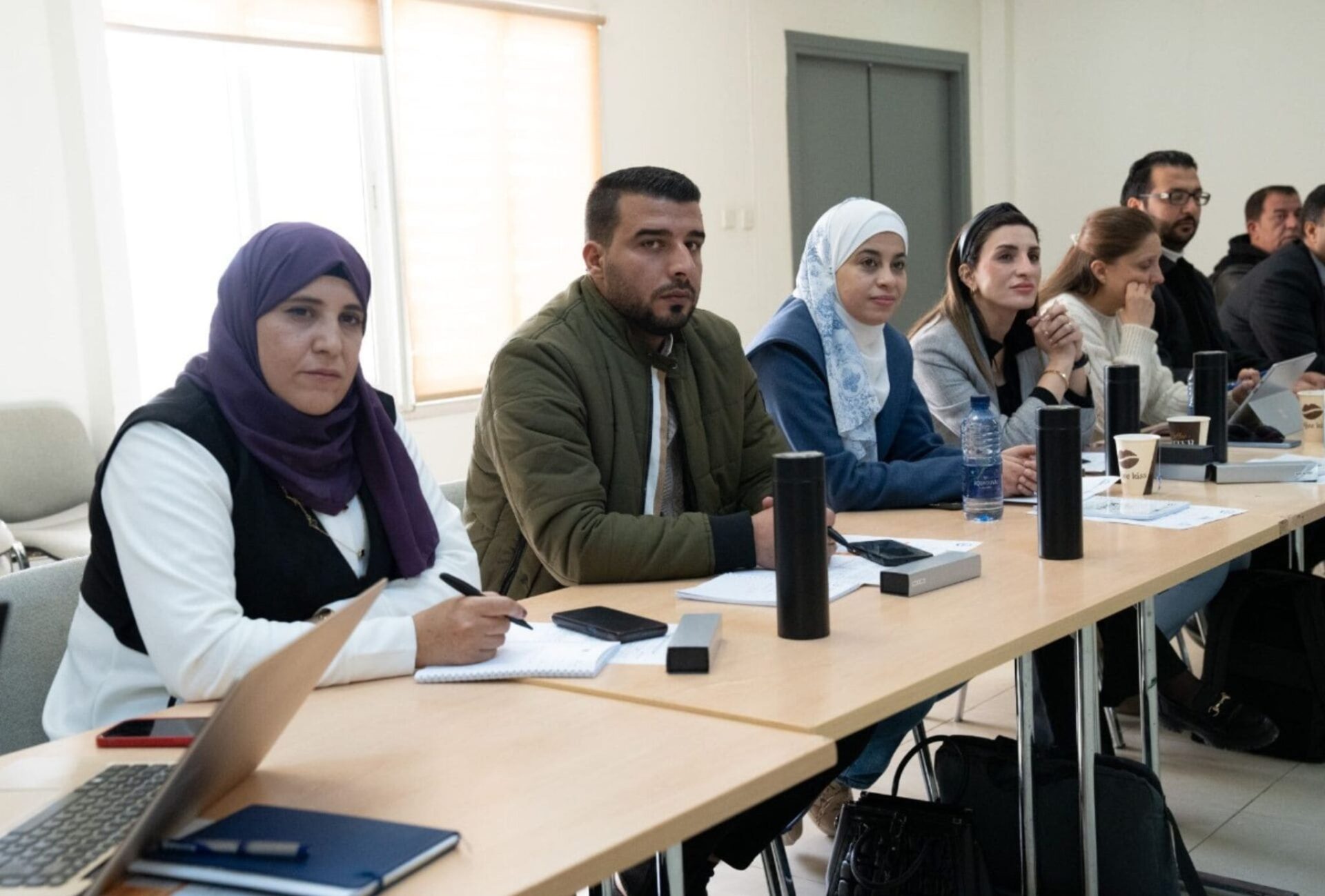
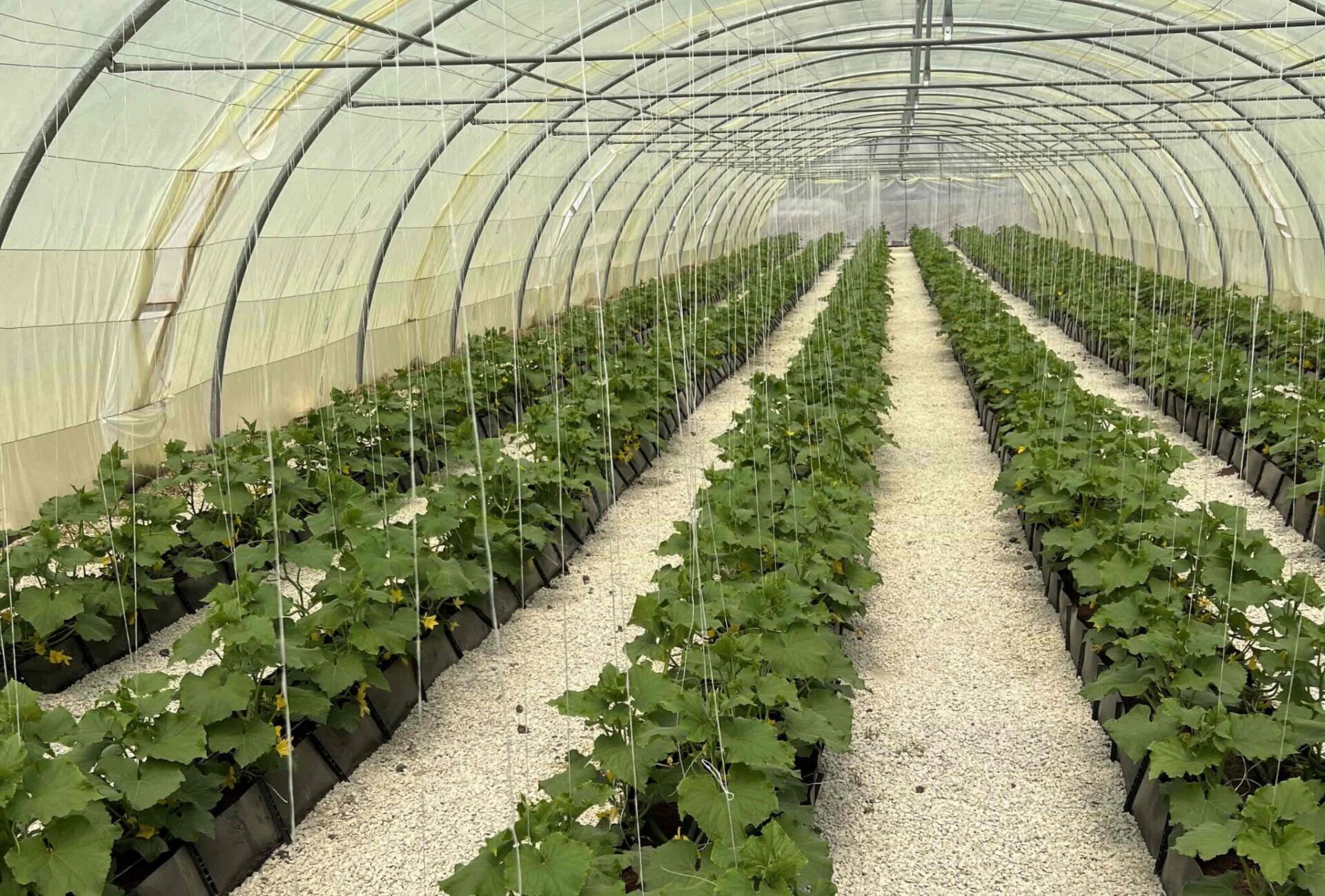
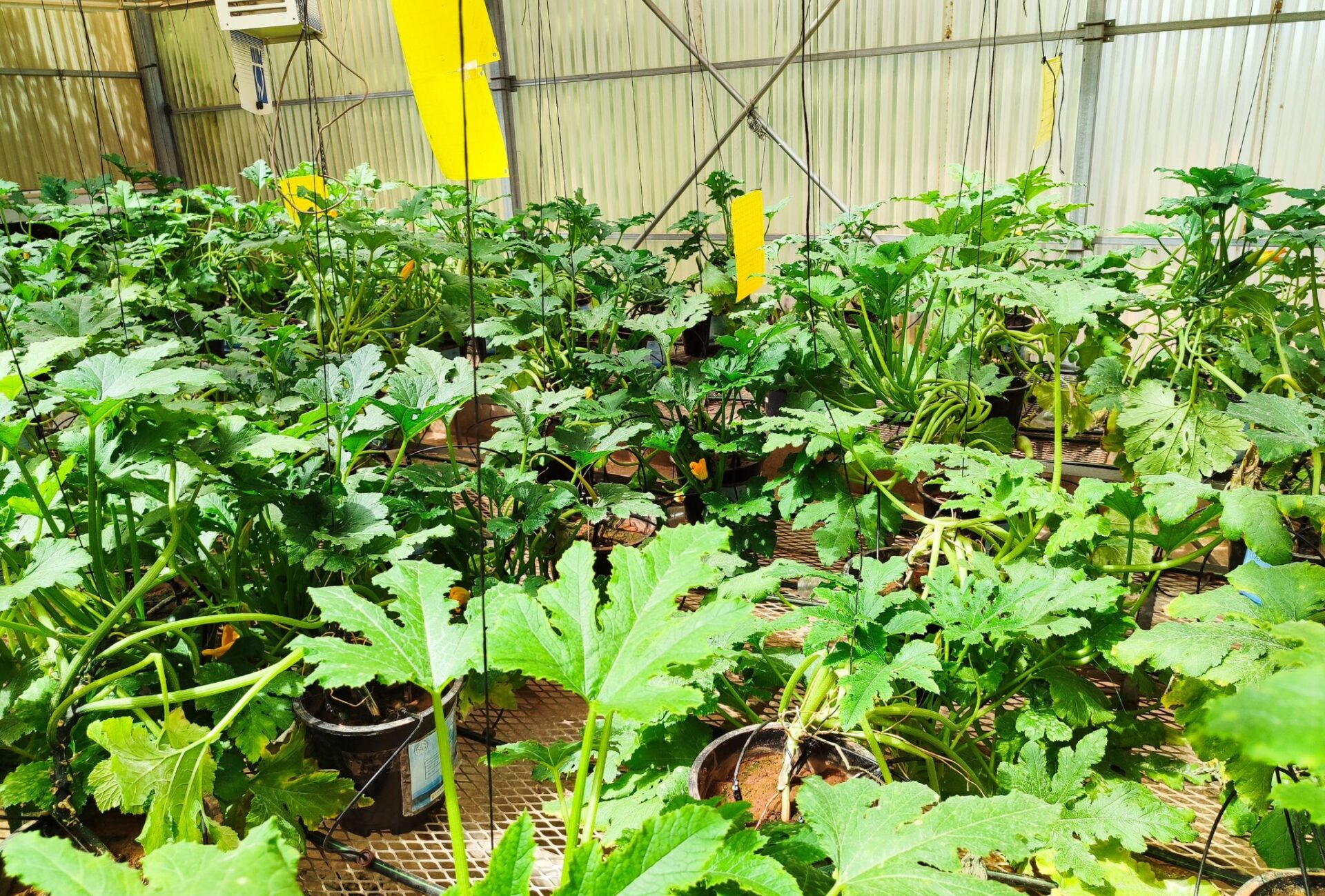
The Jordanian pilot embedded gender equality from its inception. A youth cooperative was established with 43% female members in a traditionally male-dominated sector. Women agricultural engineers received training and employment, increasing their technical and financial autonomy. Hydroponic technology was chosen for its gender-sensitive features—requiring less physical labor and offering skilled, accessible roles. Women participated equally in decision-making and profit-sharing, and their roles in crop production and solar panel maintenance were continuously monitored and supported through capacity-building initiatives.

Lebanon: Women as Climate-Resilient Agriculture Innovators
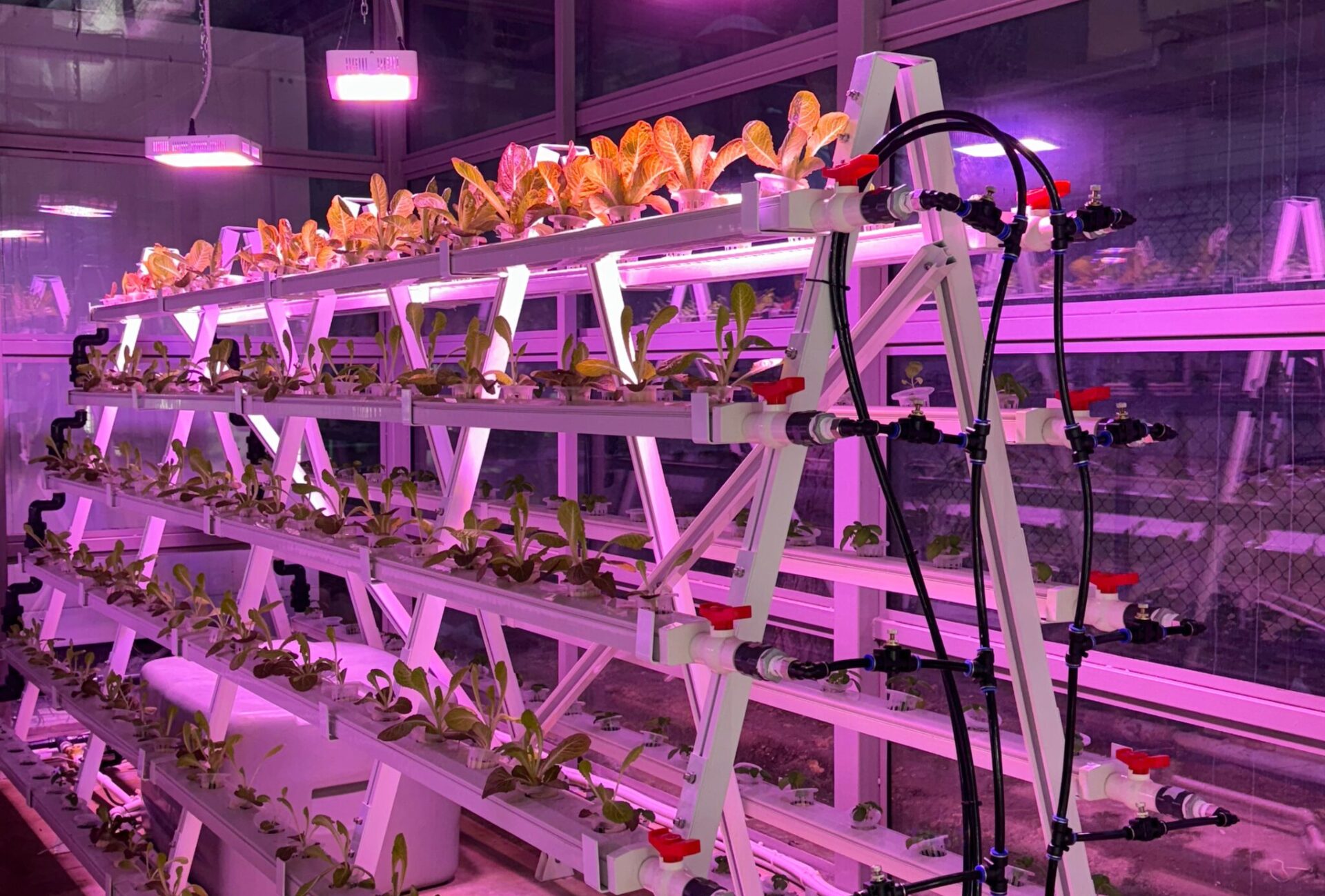
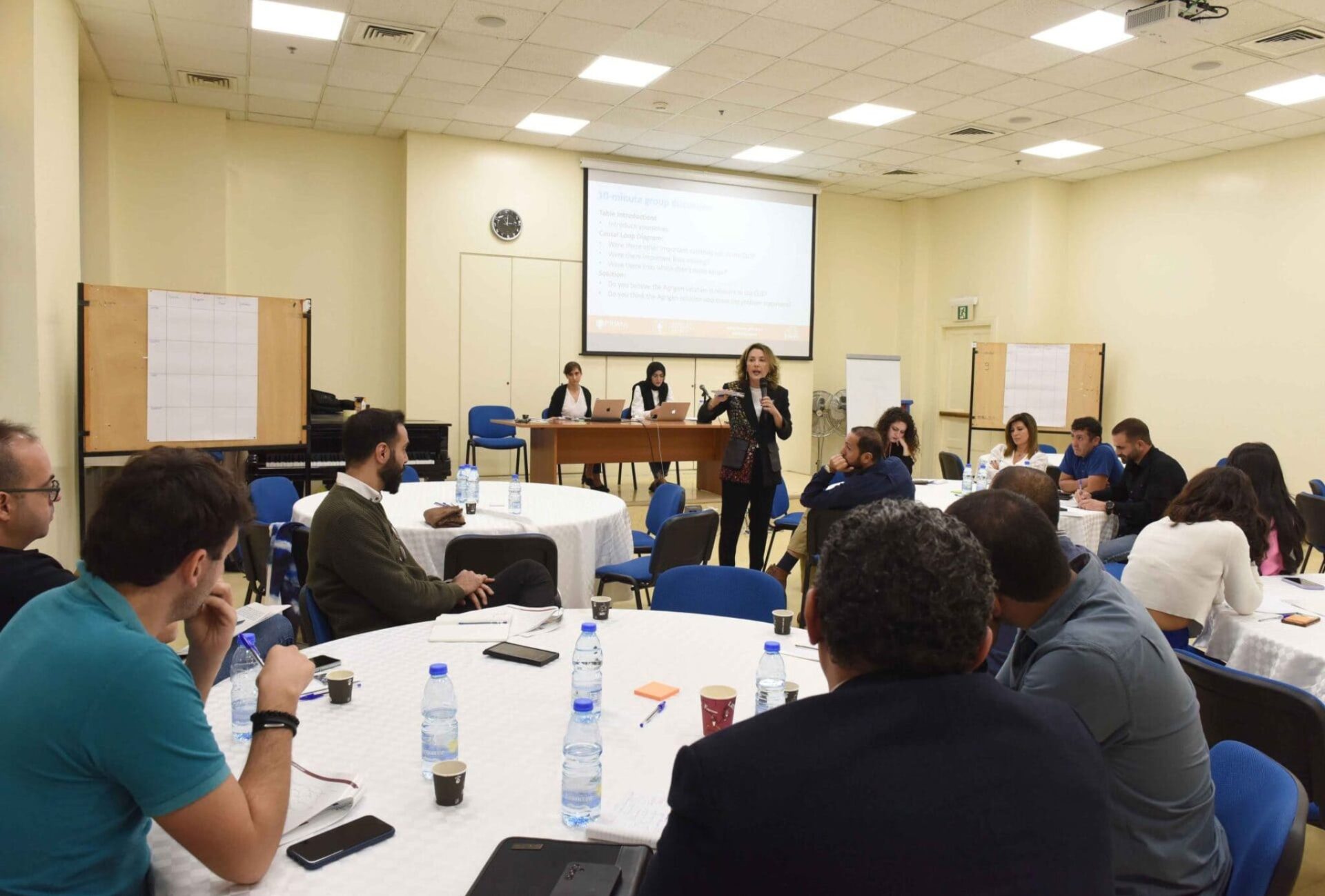
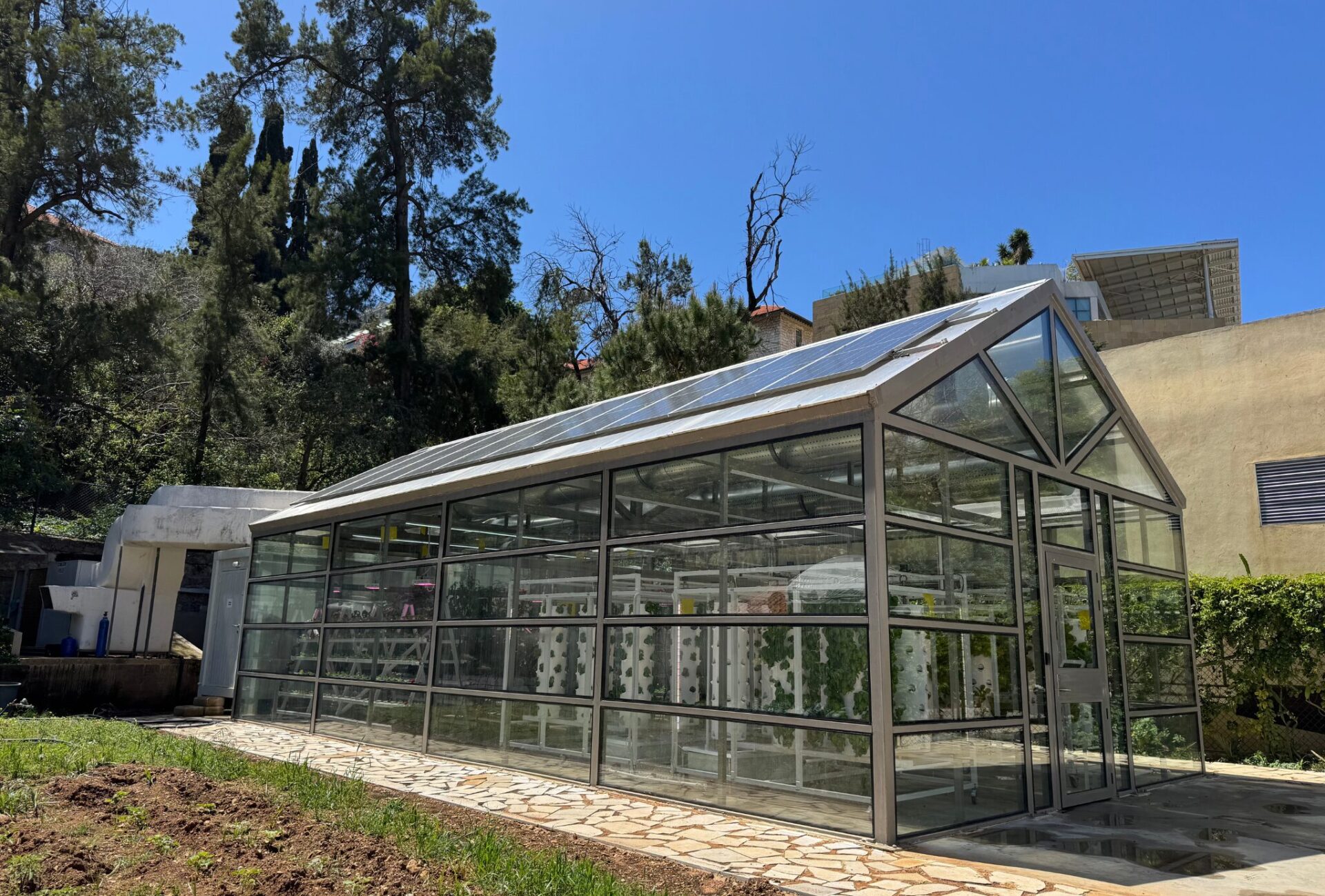
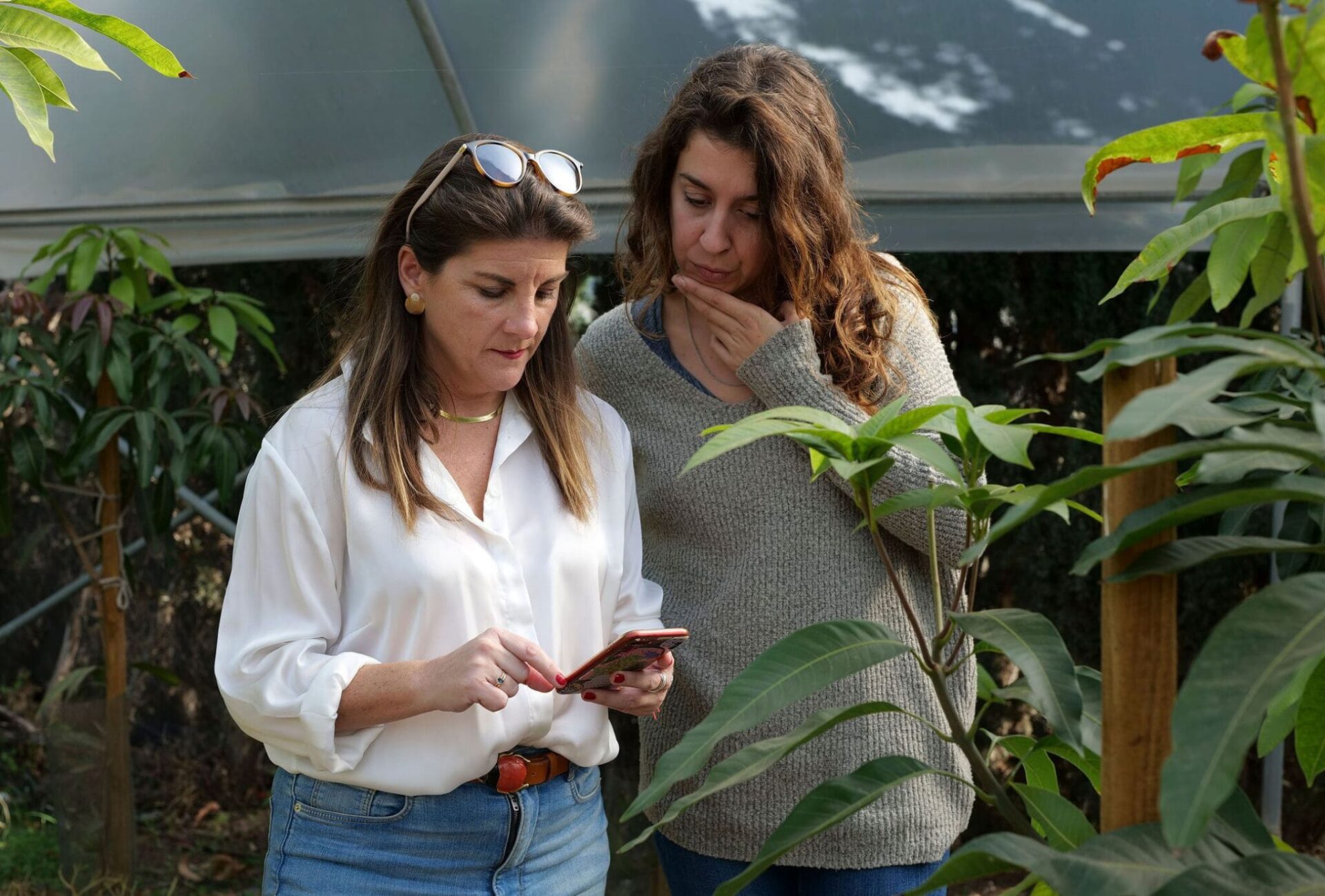
In the AUB-led Lebanese pilot, over 60% of workshop and training participants were women, many without prior agri-tech experience. Through hands-on activities in hydroponic system assembly, nutrient management, and data monitoring, women gained confidence and technical skills. The project partnered with AUB’s Gender Studies Program to ensure intersectional representation and collected gender-disaggregated data. Some women have since launched their own rooftop hydroponic systems or community initiatives, reinforcing their role as innovators and leaders in sustainable agriculture.
Morocco: Recognizing and Strengthening Women’s Roles
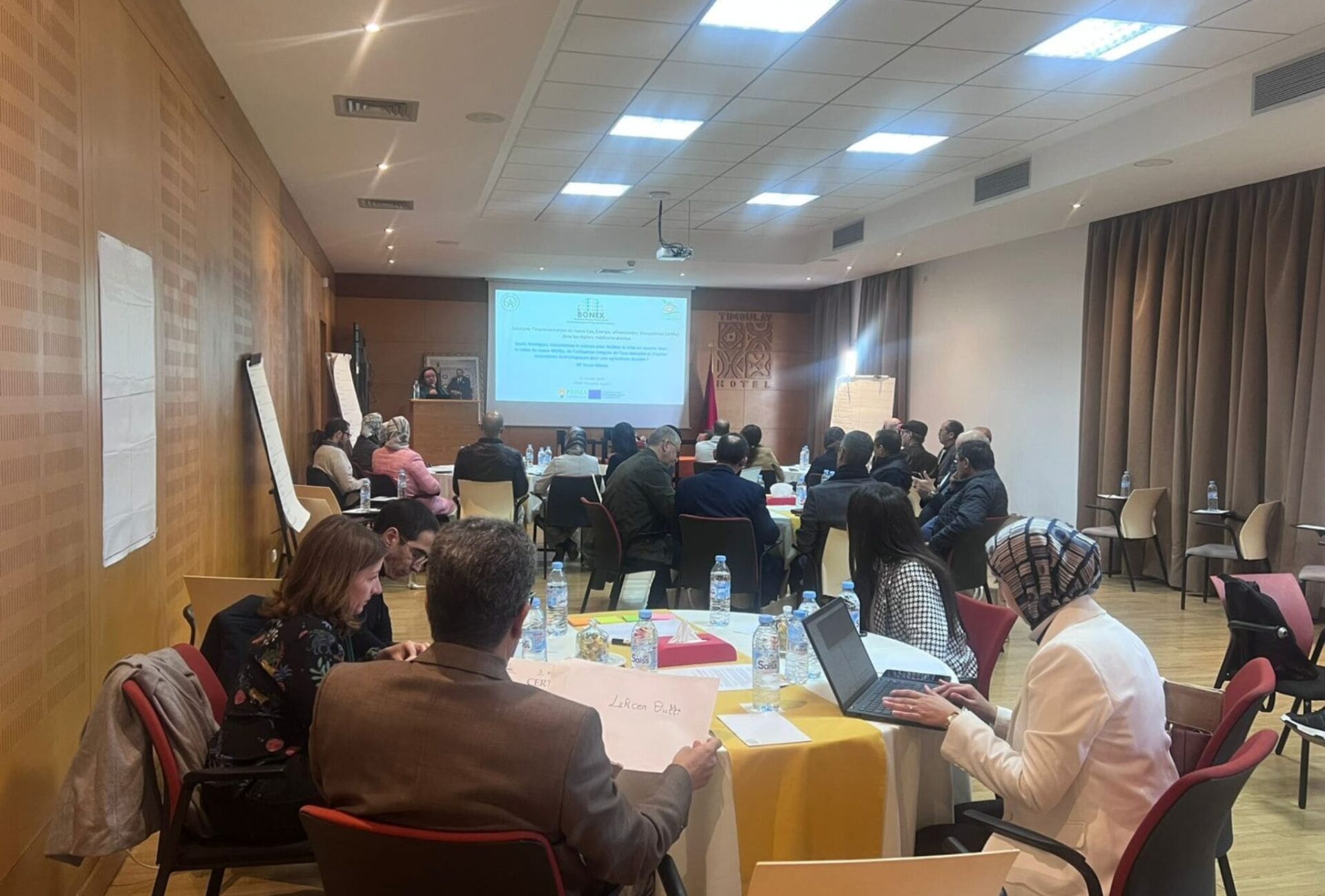
From the start, the Moroccan pilot prioritized women’s participation in all project phases. Women were actively involved in participatory workshops, field demonstrations, and community consultations—not just as attendees, but as contributors to solution design and decision-making processes. This approach recognized the crucial yet often overlooked role of women in agriculture and water management, and aimed to enhance their visibility and influence.
Portugal: Female Leadership in Rural Scientific Engagement
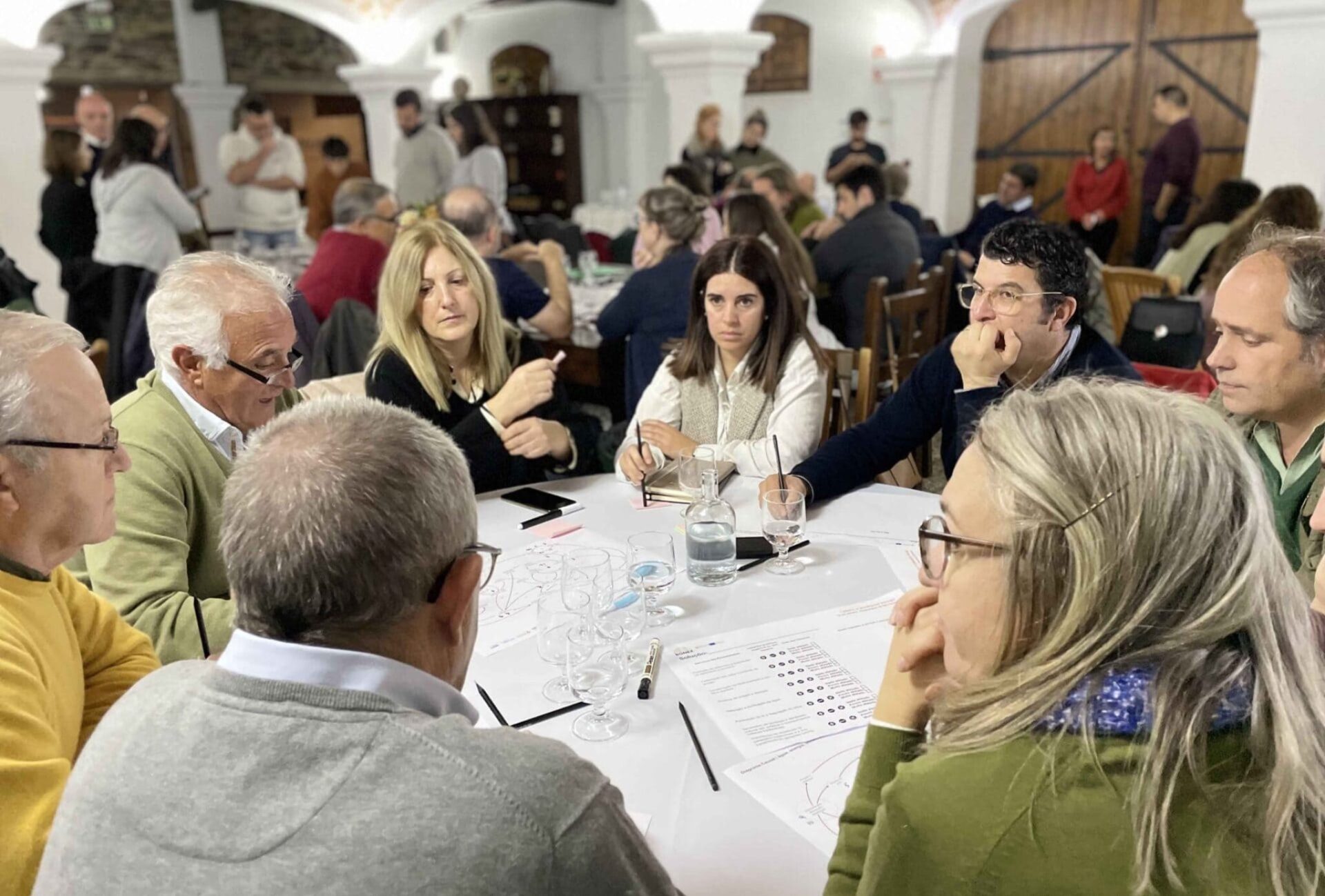
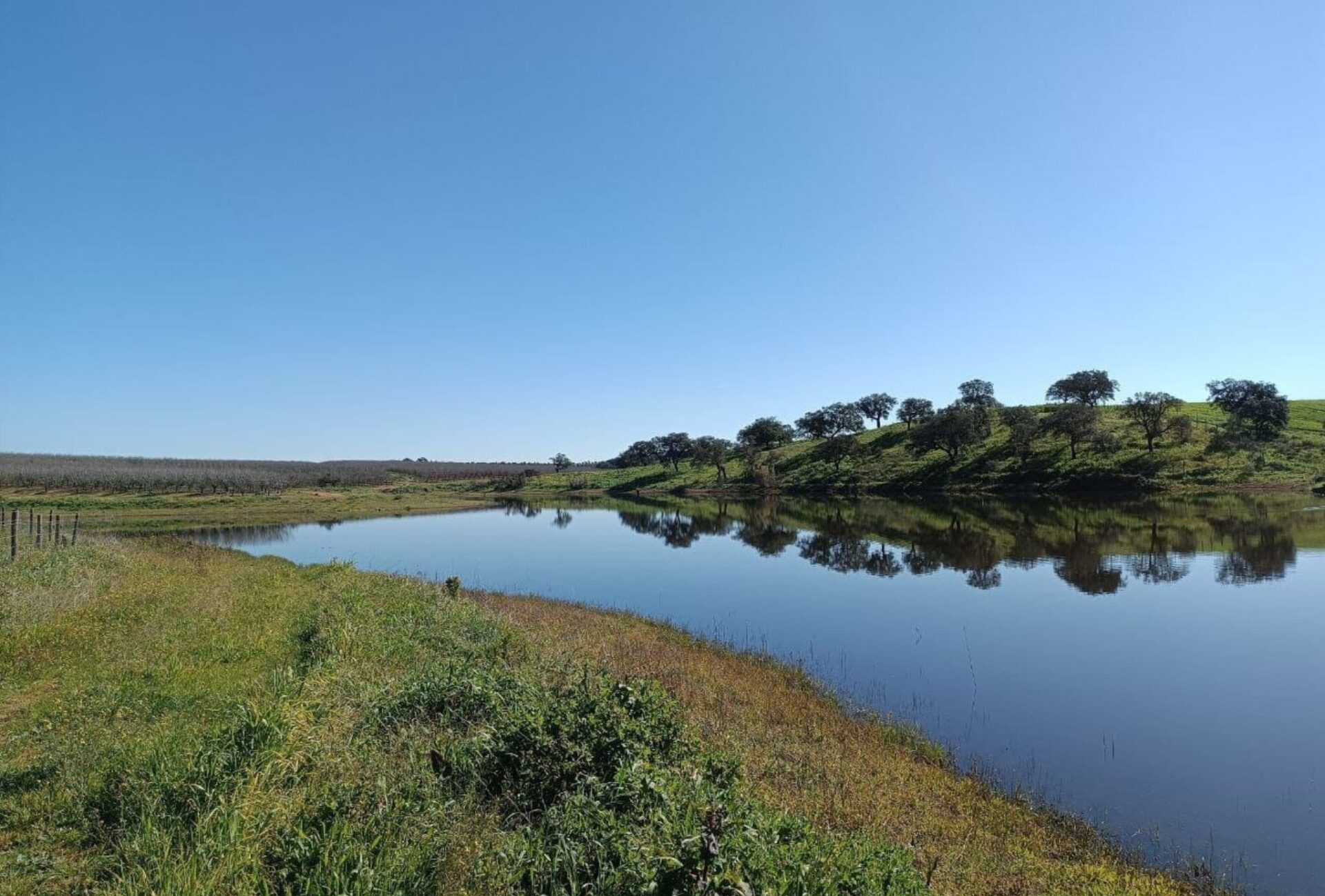
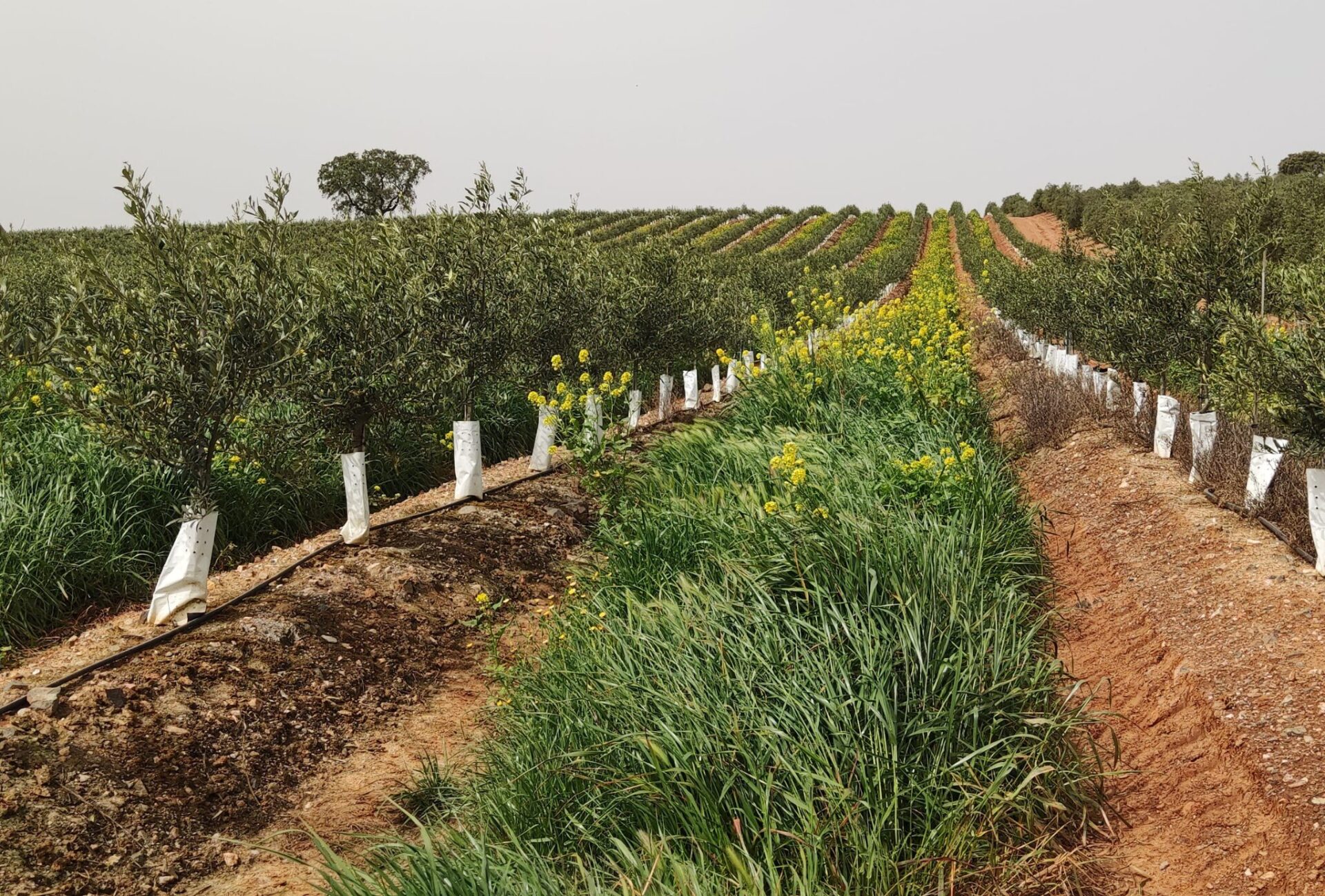
Although gender was not a standalone focus in Portugal, it was thoughtfully integrated throughout the project. The scientific team was predominantly female and led stakeholder engagement activities. Gender balance was emphasized during three participatory workshops held in rural areas, reaching near parity. Women from agricultural cooperatives and civil society were especially active in co-design sessions. At the Esporão and Marzalonas sites, women-led sustainability teams applied BONEX tools, demonstrating gender inclusivity in biodiversity conservation and innovation processes. Gender-disaggregated data was also collected to guide future improvements.
Tunisia: Women Leading Water Reuse Innovation
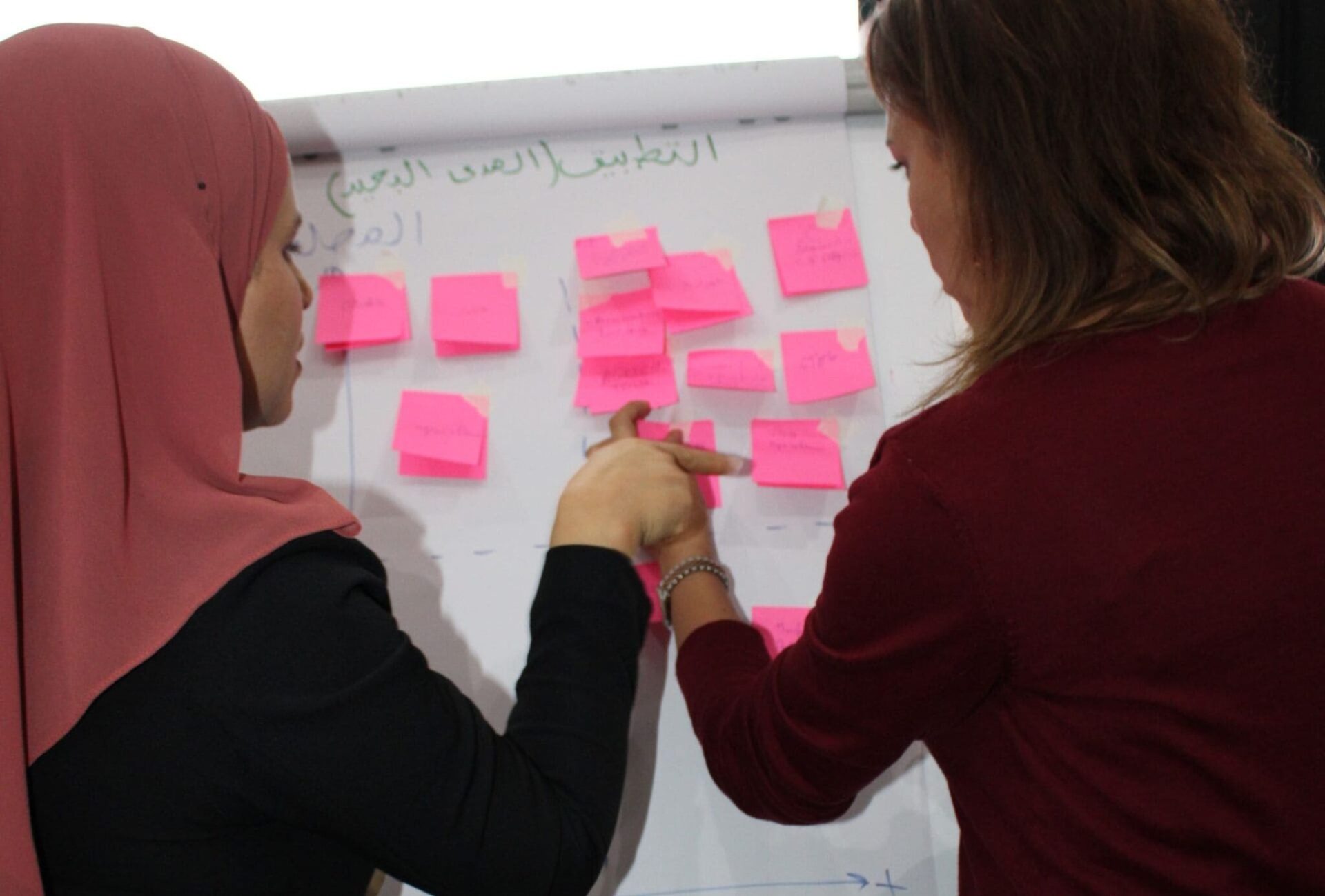
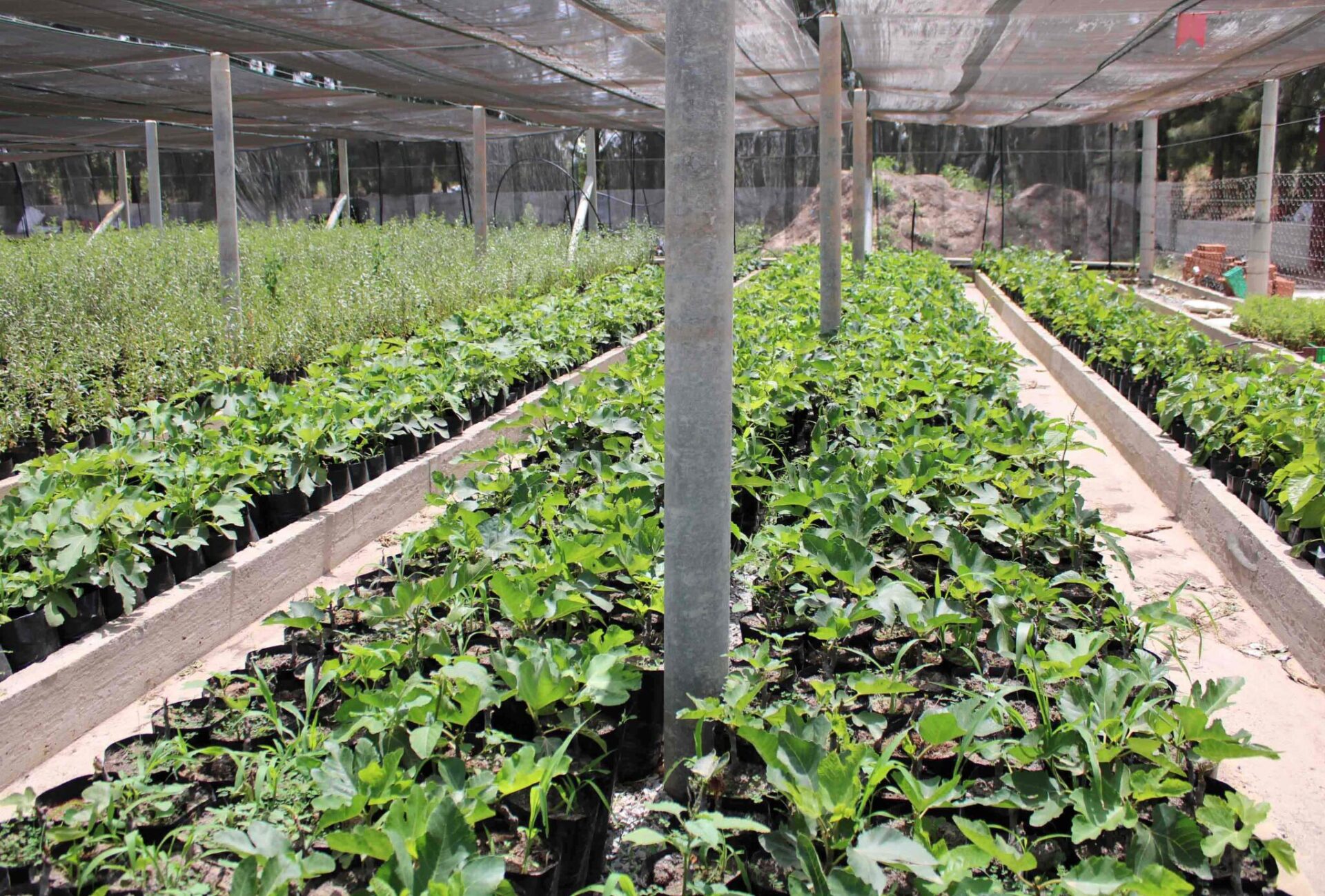
In Tunisia, gender was mainstreamed at every level. The project coordinator, a woman, also serves on the Gender Committee and leads a work package. Women make up 70% of the research and innovation team, with young female engineers and postdocs comprising the entire technical support staff. Women also represent 50% of the Steering Committee. At the local level, representation remains lower (12%), but a young female farmer manages the demo site and has participated in all gender-related activities, including conferences such as CAWTAR’s event on rural women. A policy workshop also included a dedicated session on gender in the water reuse sector.
Spain: Structured Gender Mainstreaming for Innovation
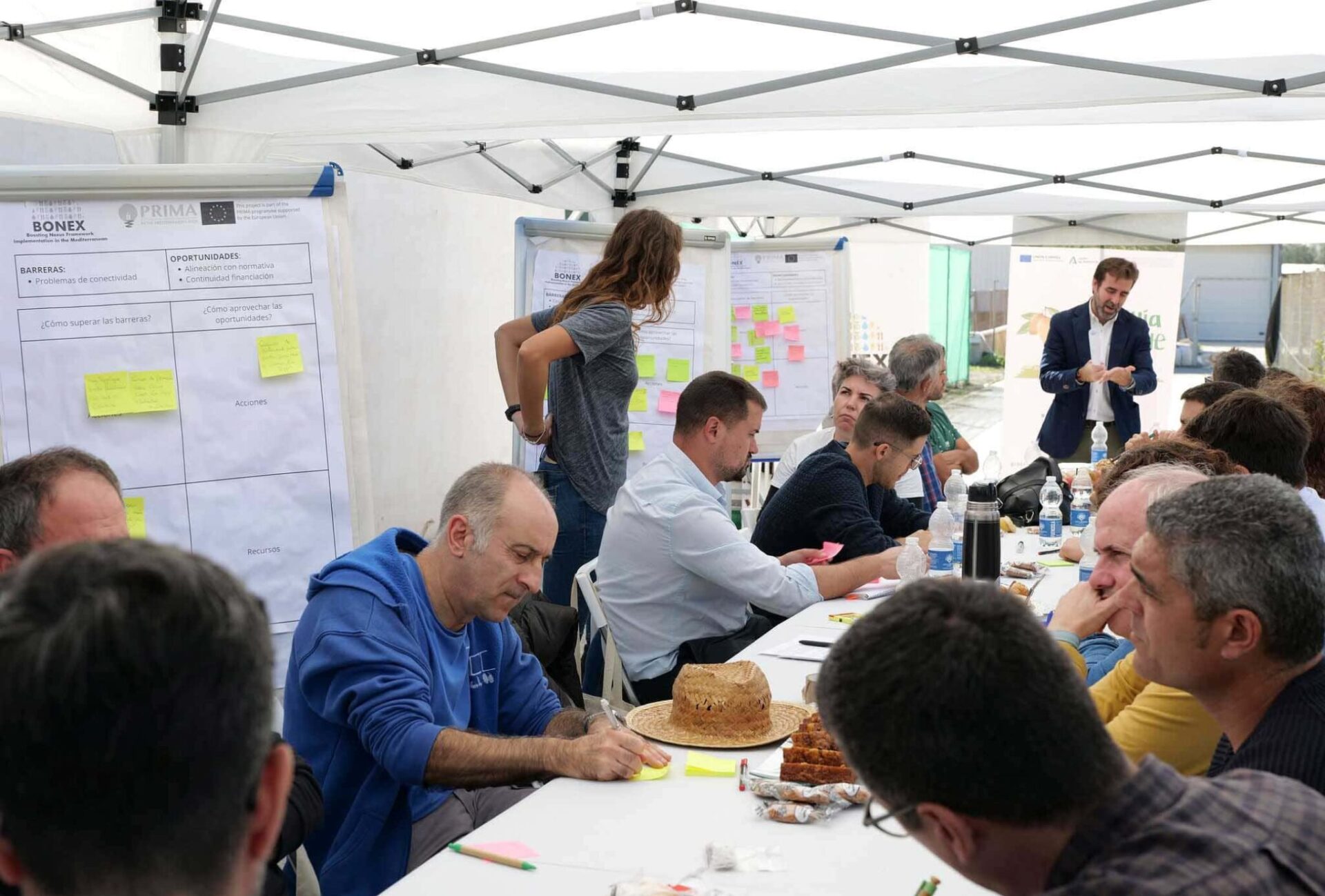
Spain’s pilot, coordinated by BIOAZUL, applied a deliberate strategy for gender integration across all project phases. Special attention was given to involving women in stakeholder engagement—panelists, workshop participants, and interviewees were selected with gender balance in mind. Innovation projects had to demonstrate gender inclusiveness, particularly in decision-making bodies. The pilot emphasized women’s roles in sustainable wastewater reuse and agri-tech development, especially in rural areas vulnerable to depopulation. This approach aligns with the UN Sustainable Development Goals and Water Europe’s Vision on the Value of Water.
Overall Gender Strategy in BONEX
BONEX employs a comprehensive gender strategy that includes awareness campaigns, gender-sensitive dissemination, committee training, support for partners, and gender KPI tracking. A structured action plan guides the project: assessing gender balance, establishing a Gender Committee, and documenting results through a Gender Action Report.
The project emphasizes inclusive decision-making, addresses gender disparities in agriculture and food systems, and challenges stereotypes by promoting women’s active roles. Women represent 43.5% of the overall BONEX workforce and hold leadership positions in key governance bodies. The Gender Committee, composed of 55.2% women, evaluates social dynamics and norms through a gender lens.
BONEX demonstrates that integrating gender perspectives is not only achievable but essential to equitable and sustainable development. From scientific leadership to grassroots innovation, women have been recognized and empowered as central actors in shaping the WEFE Nexus. These efforts show that gender equity enhances resilience, creativity, and impact across Mediterranean rural communities.


